Alfa Romeo GT Junior Restomod
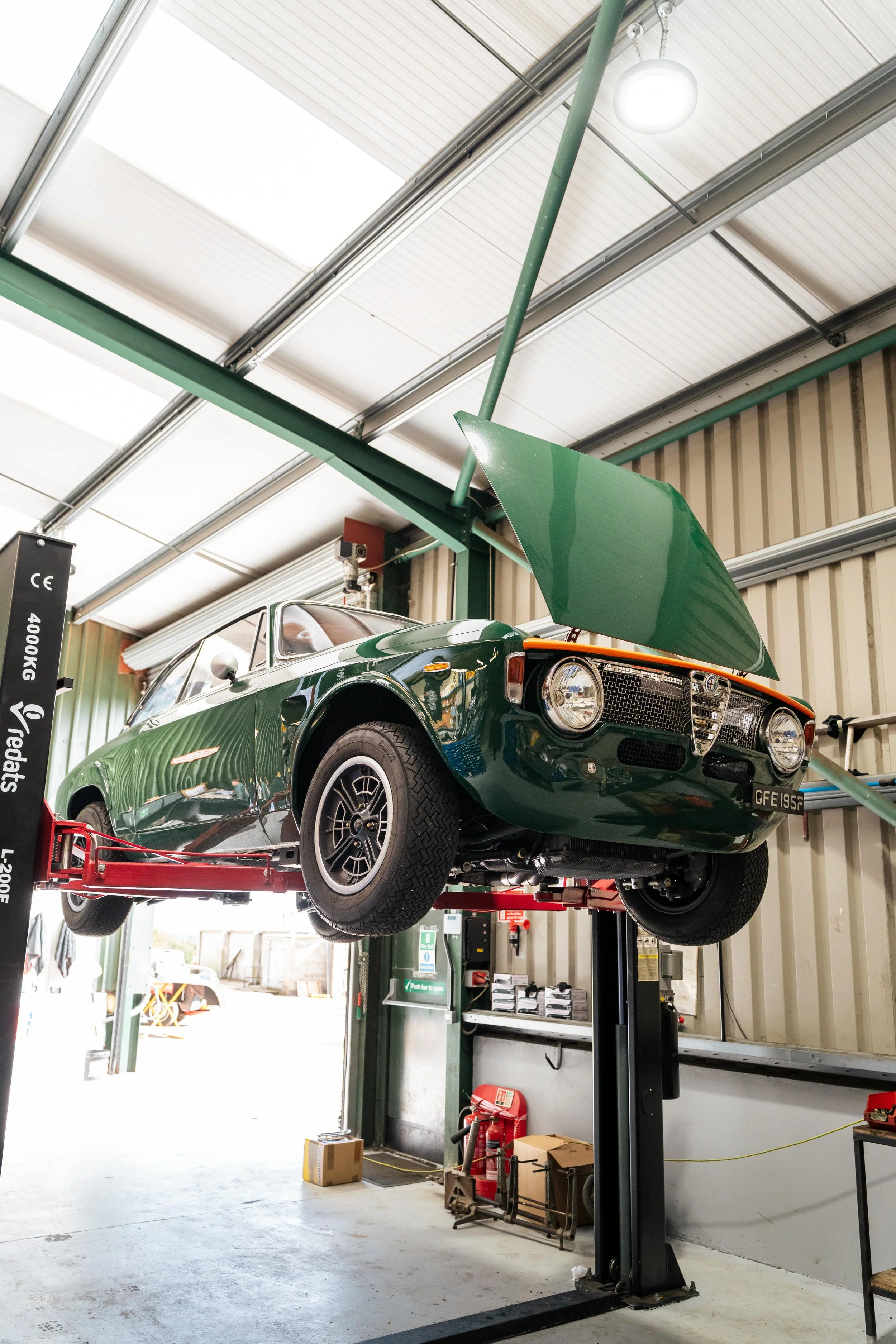
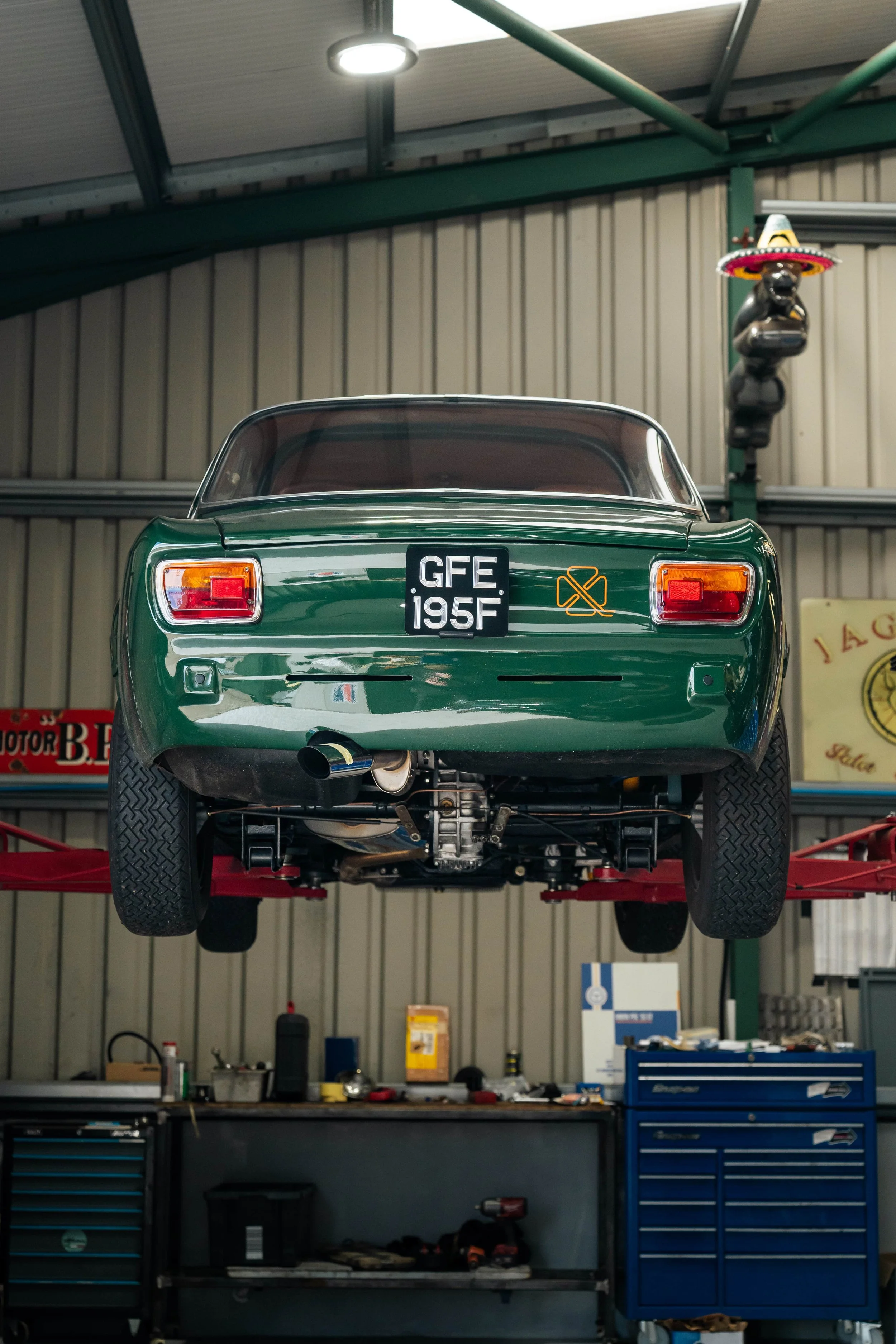
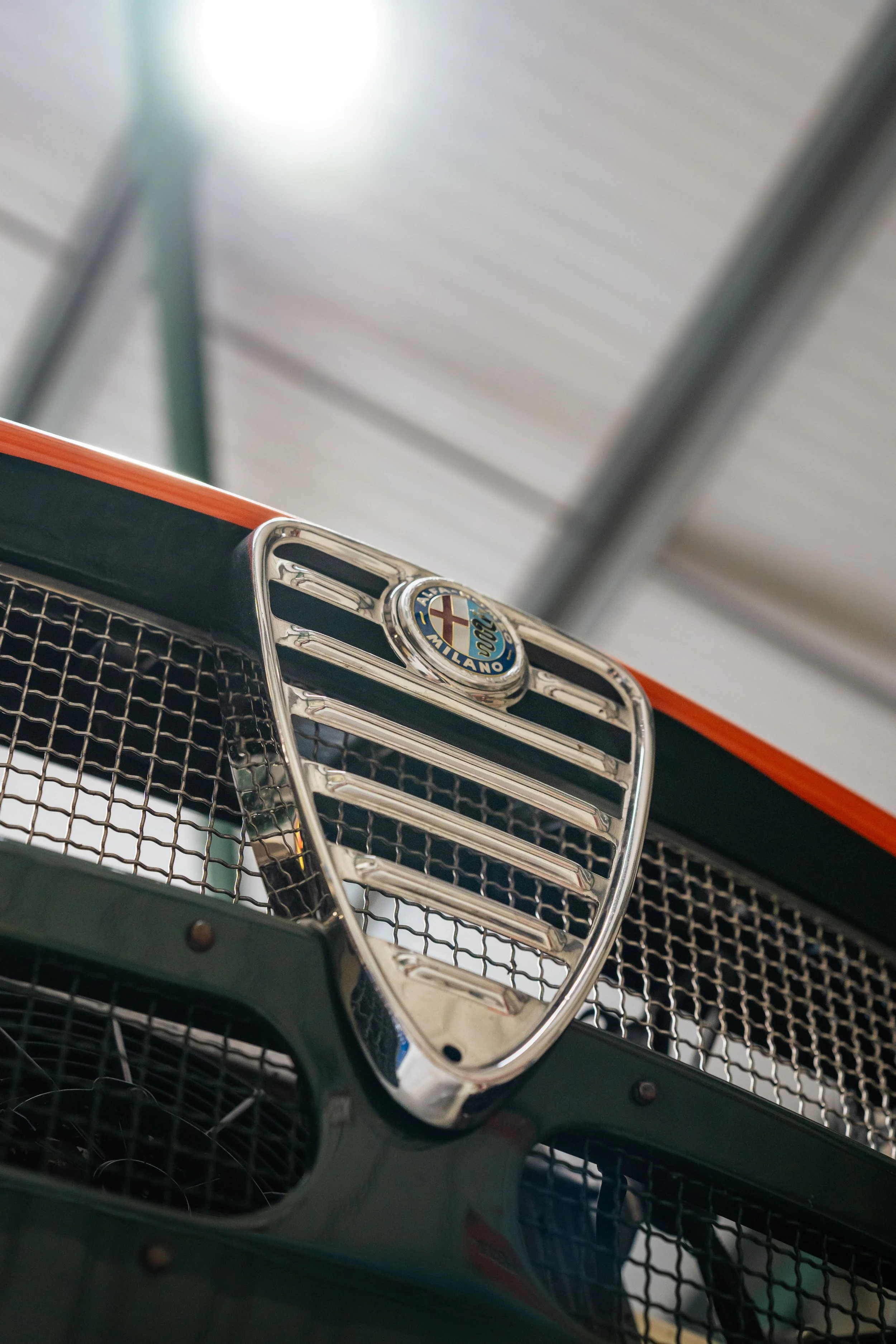
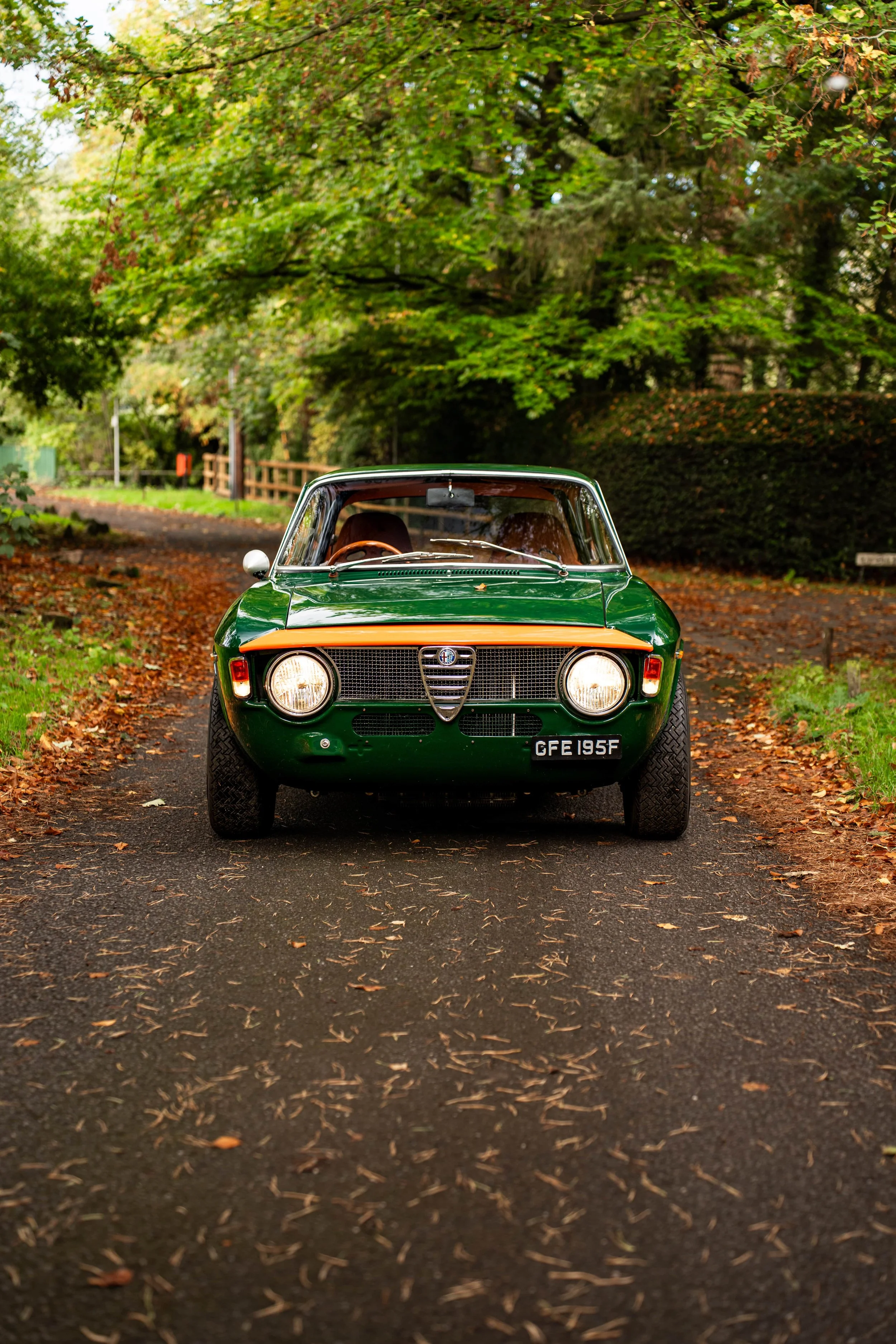
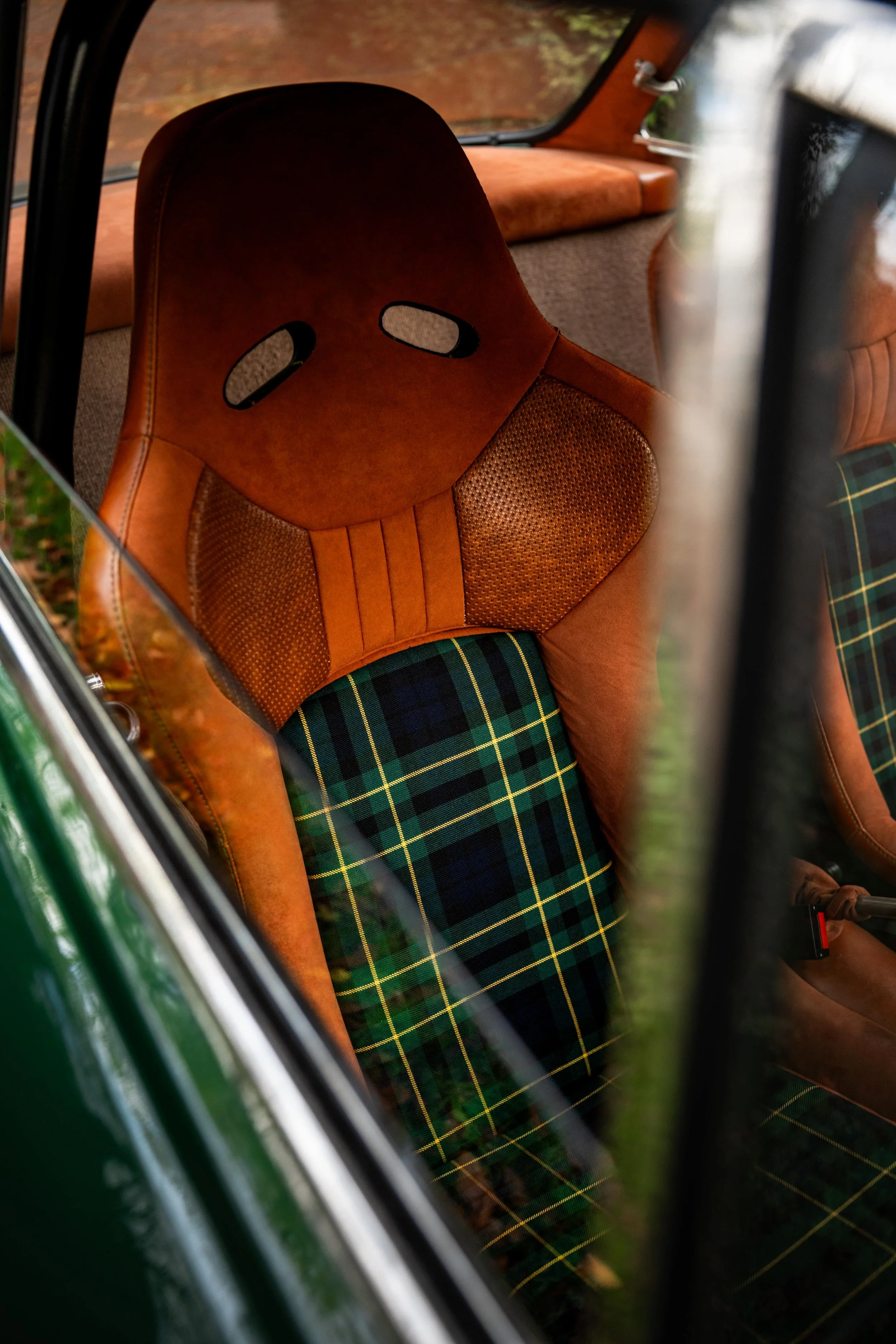
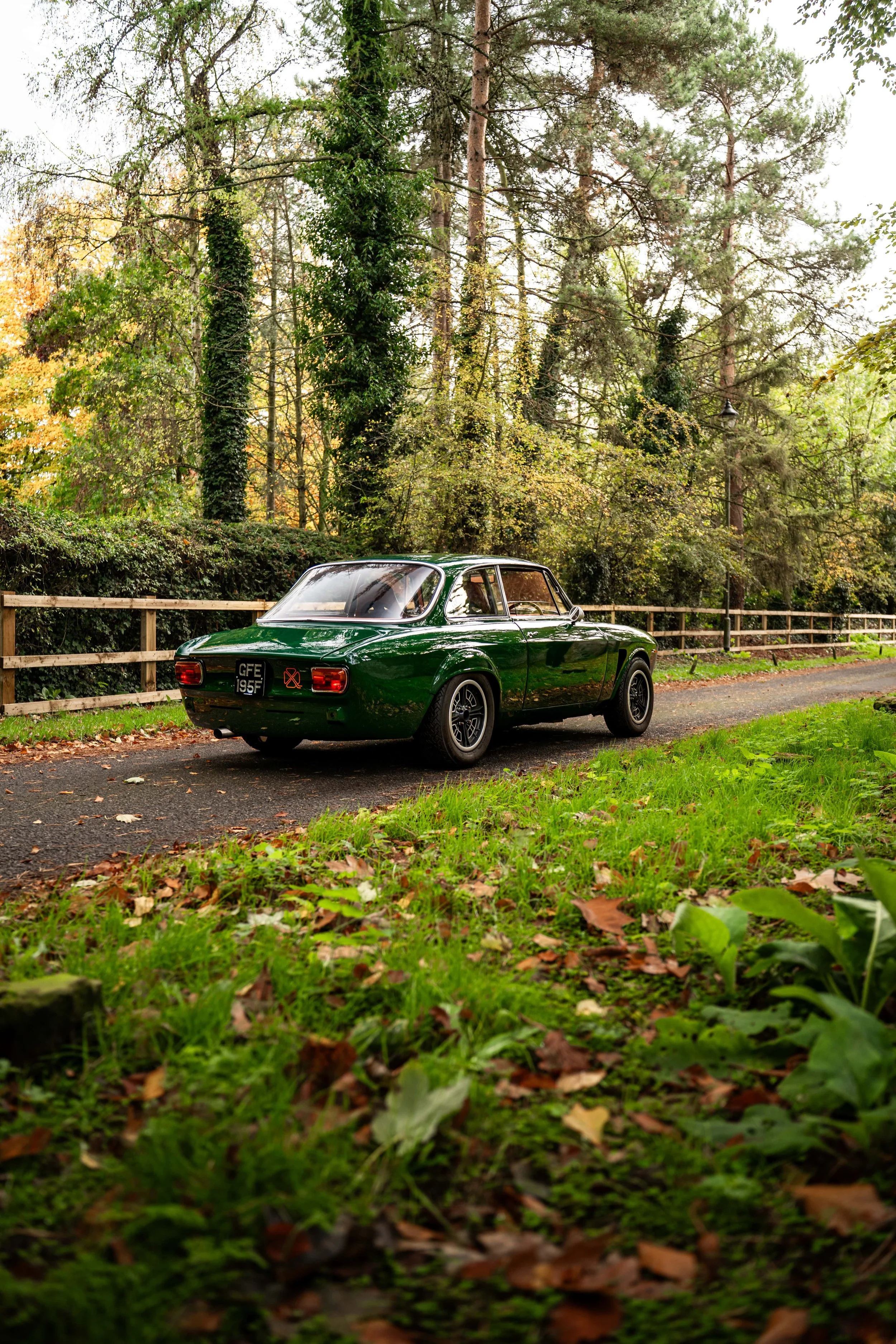
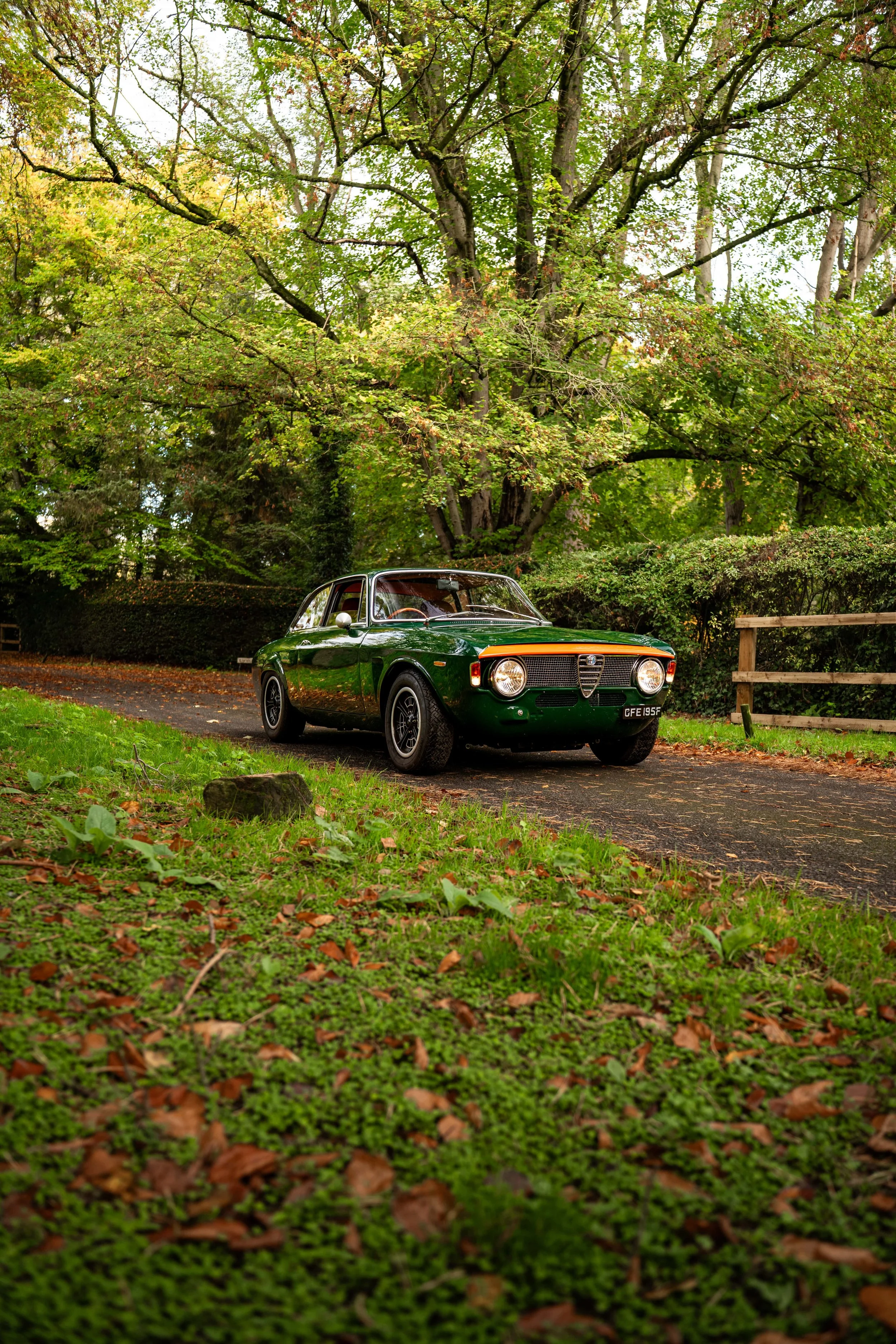
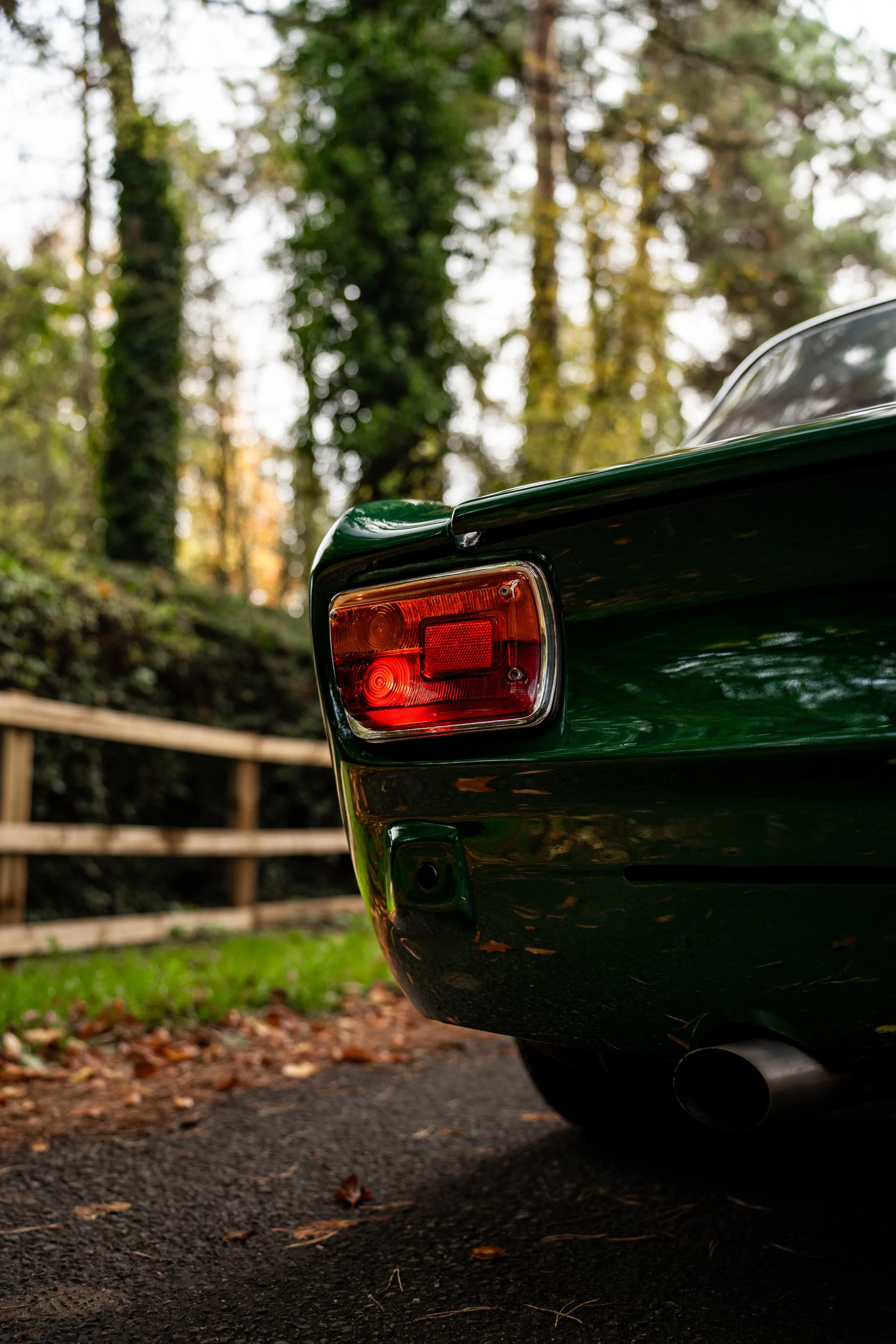
Towards the end of 2025, we completed a servicing on this Alfa Romeo GT Junior Restomod. This iconic Alfa Romeo was part of the 105/115 series of Bertone-designed sports coupes built between 1966 and 1976. It was conceived as a lighter, more affordable alternative to the bigger Sprint GT and GTV models, with a focus on sporty handling, lightweight construction, and the famous Alfa twin-cam engine. The chassis was designed with independent front suspension and a live rear axle, providing a distinctive dynamic feel that has a bit of a raw by modern standards. With agile handling, a lightweight body and distinctive style, it remains a favourite for enthusiasts today.
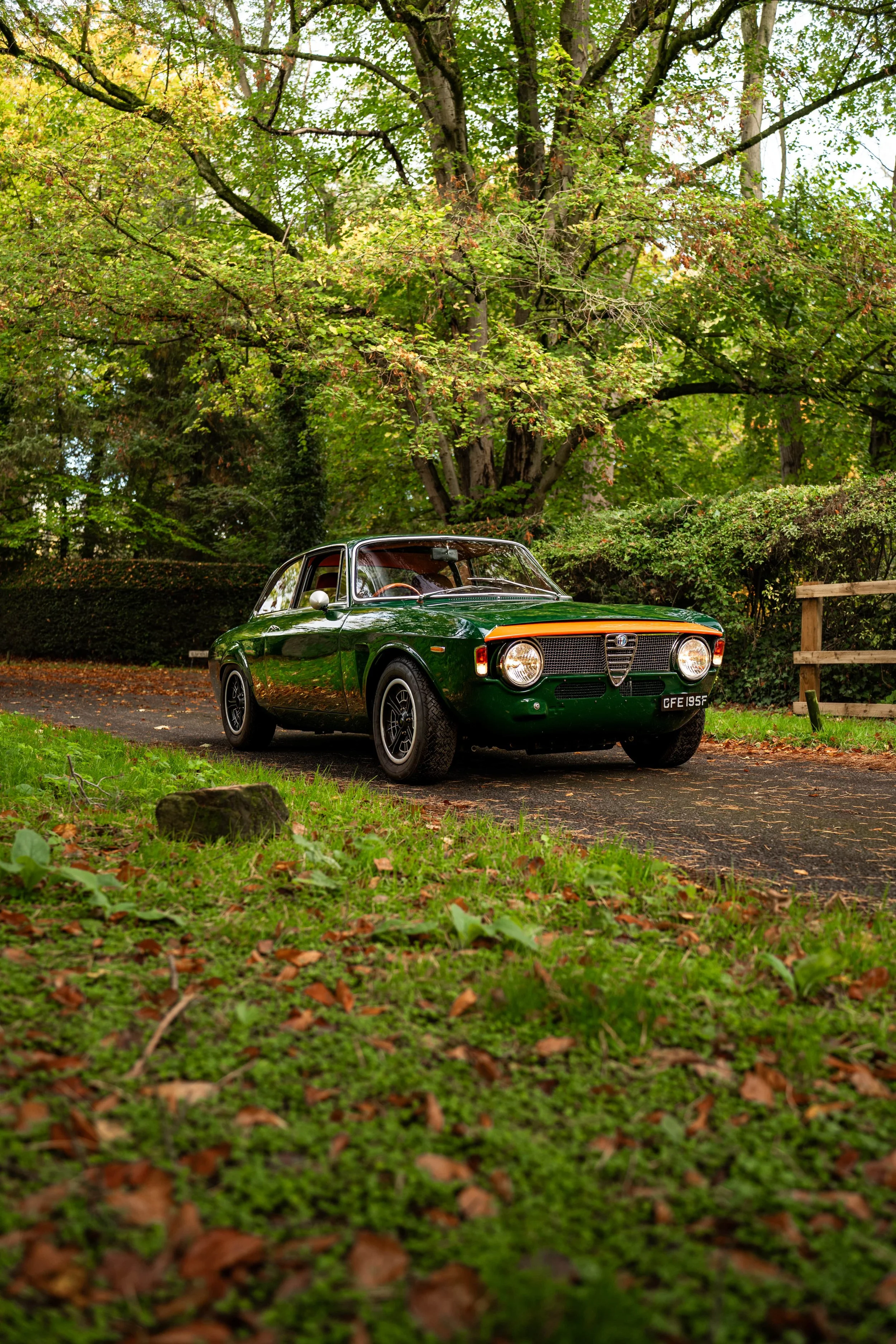
This GT Junior came into our workshops with unbalanced carburettors, a noisy rear axle and a harsh ride. The carburettors had poor mixture and synchronisation, leading to inefficient throttle response and rough running. Additionally, the wear on the axle bearings was generating noticeable drivetrain noise, and the original suspension geometry, combined with worn components, was creating an unforgiving ride quality. This article will break down the process of restoring this Alfa Romeo and how we improved the drive quality for our client.
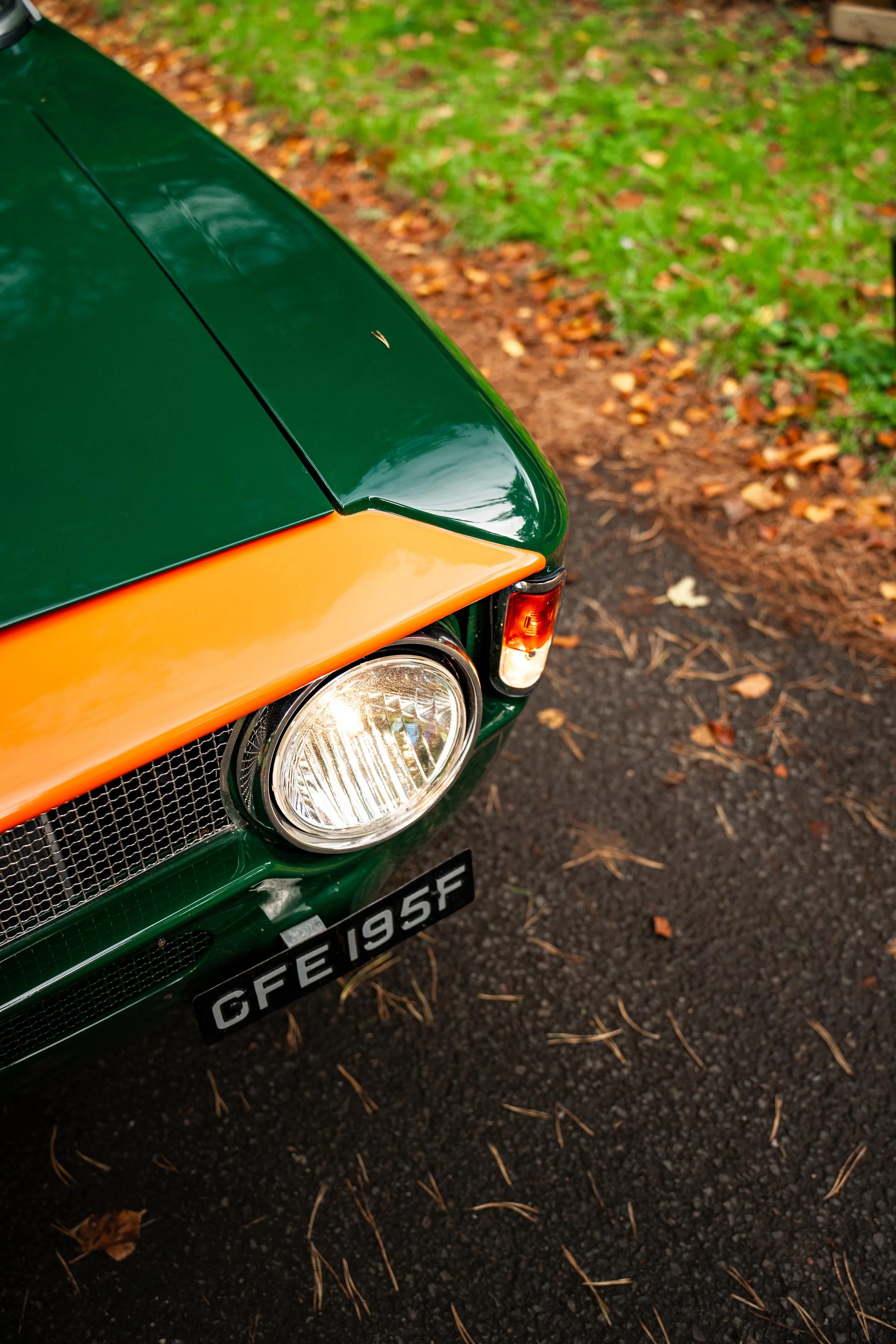
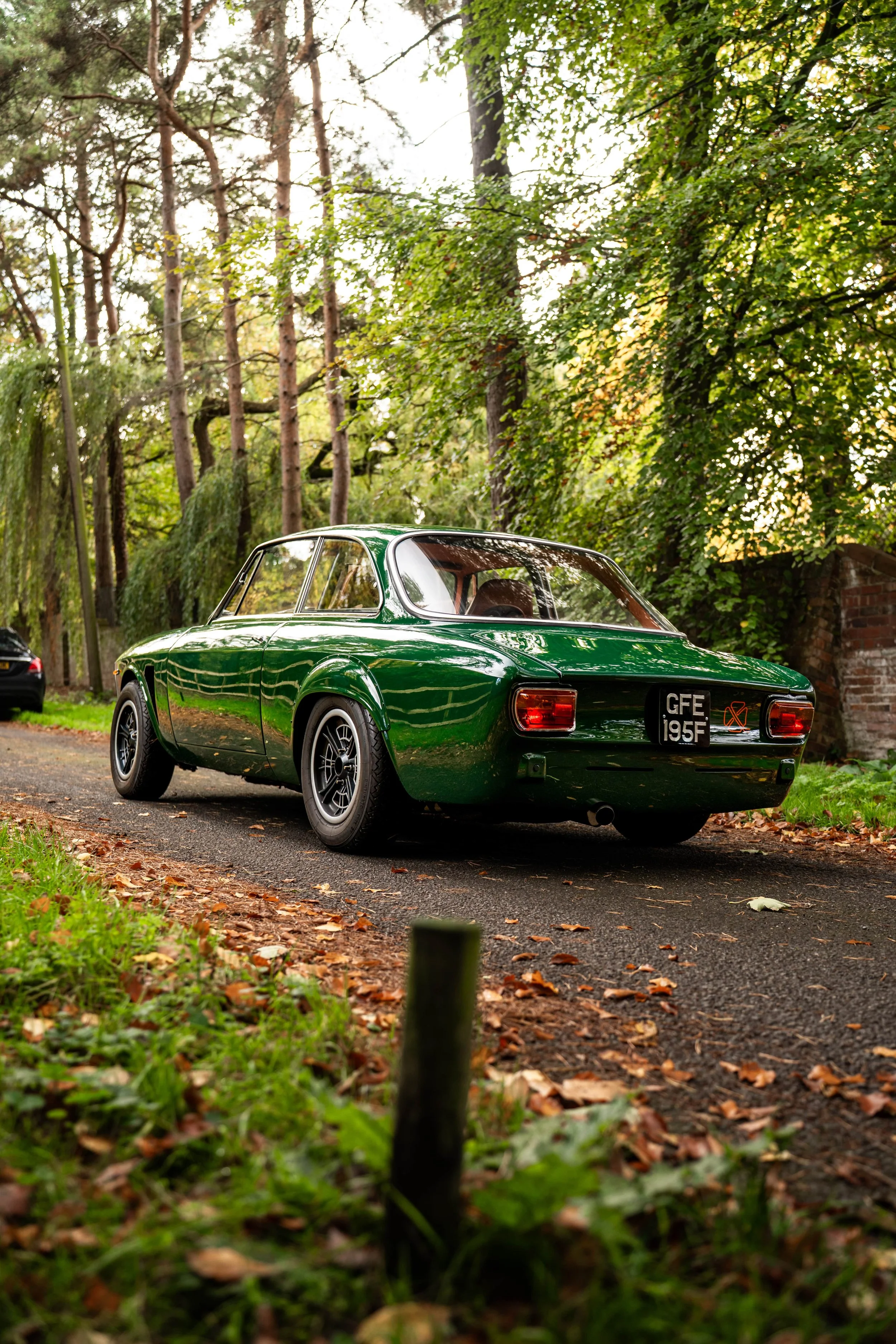
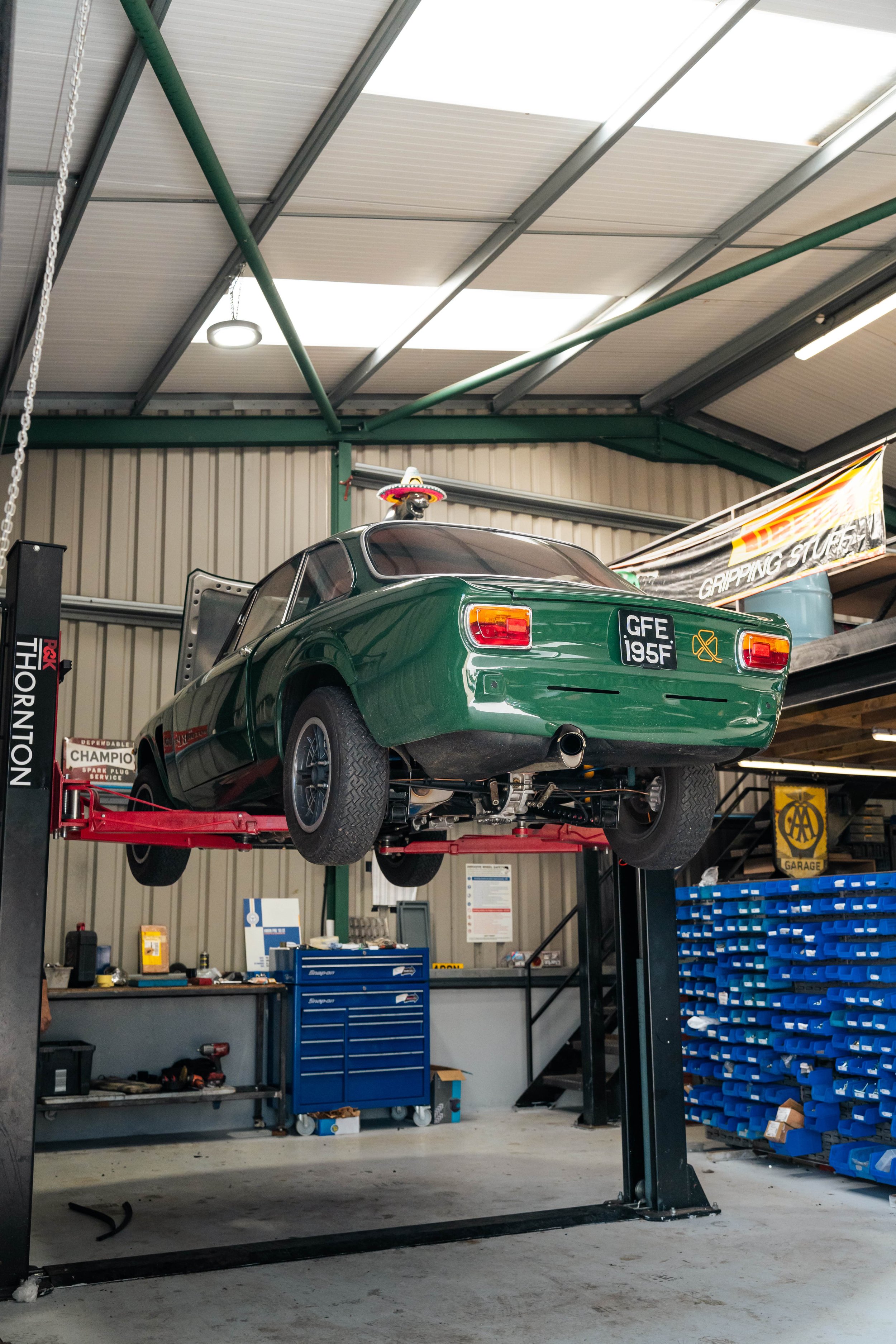
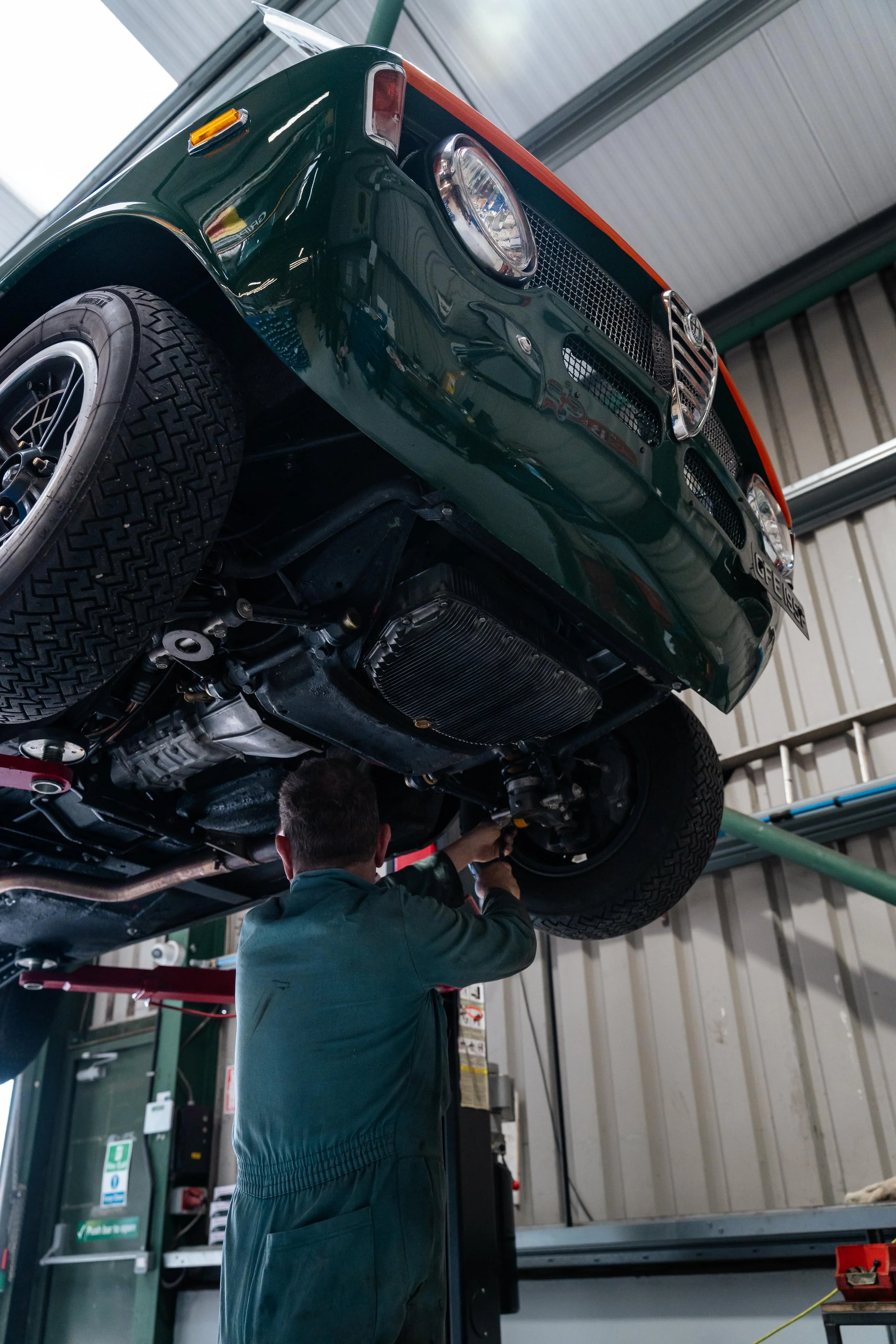
One of our main priorities for this project was the rear axle rebuild and ratio change. Using a solid rear axle with compact differential gearing, over time, worn bearings, gearing wear or poor lubrication can lead to whining or grumbling noise. This was an important step to help make the GT Juniors ride less harsh and noisy for our client. We began by disassembling the axle casing and differential and inspecting the bearings, seals and gear teeth for wear. After that, we replaced any worn components, reset the gear mesh /backlash and checked the health of the limited-slip differential. In addition, we changed the rear axle ratio to reduce engine revs at cruising speeds, whilst keeping strong low-end torque, a careful choice to ensure that the acceleration feel isn’t lost.

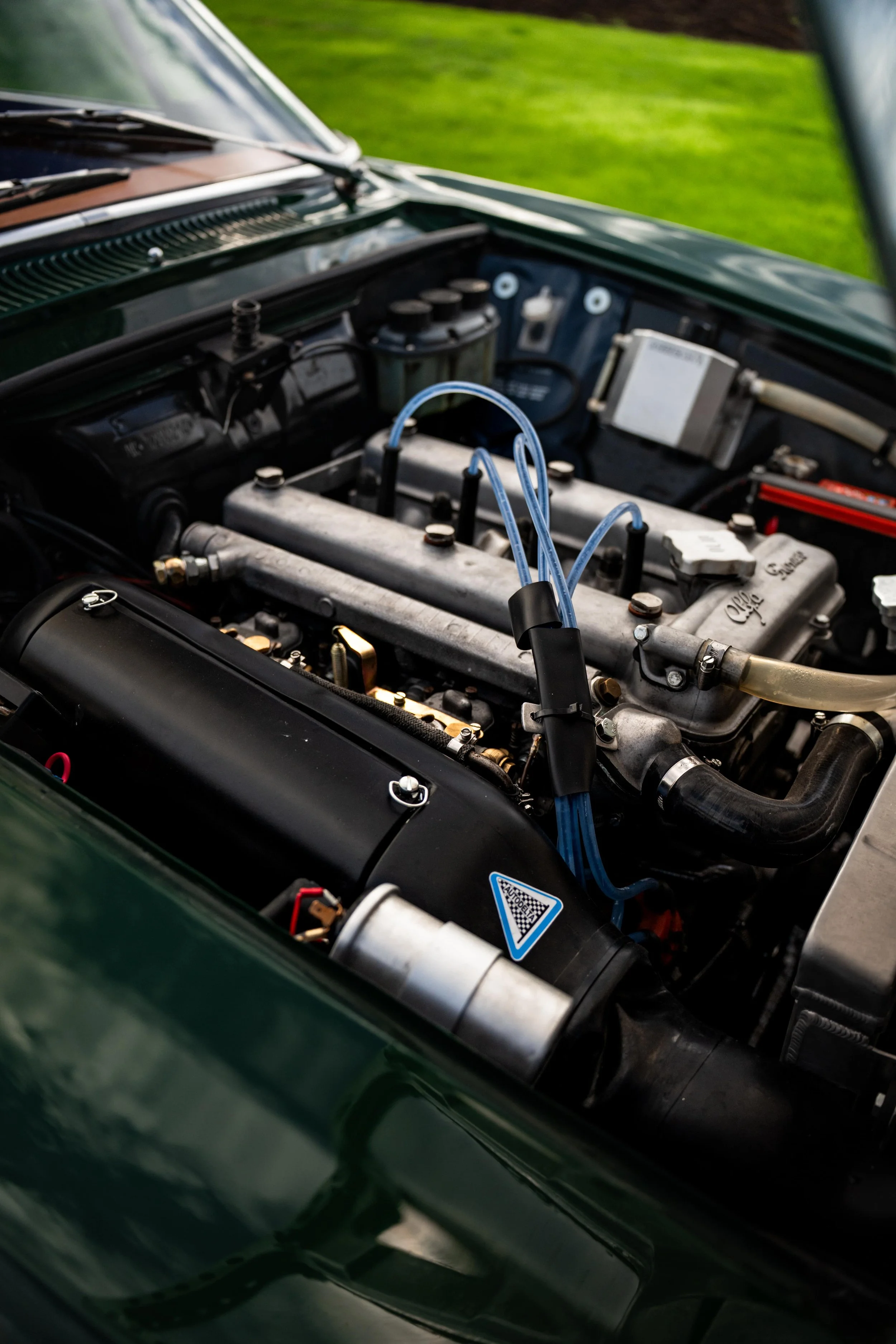
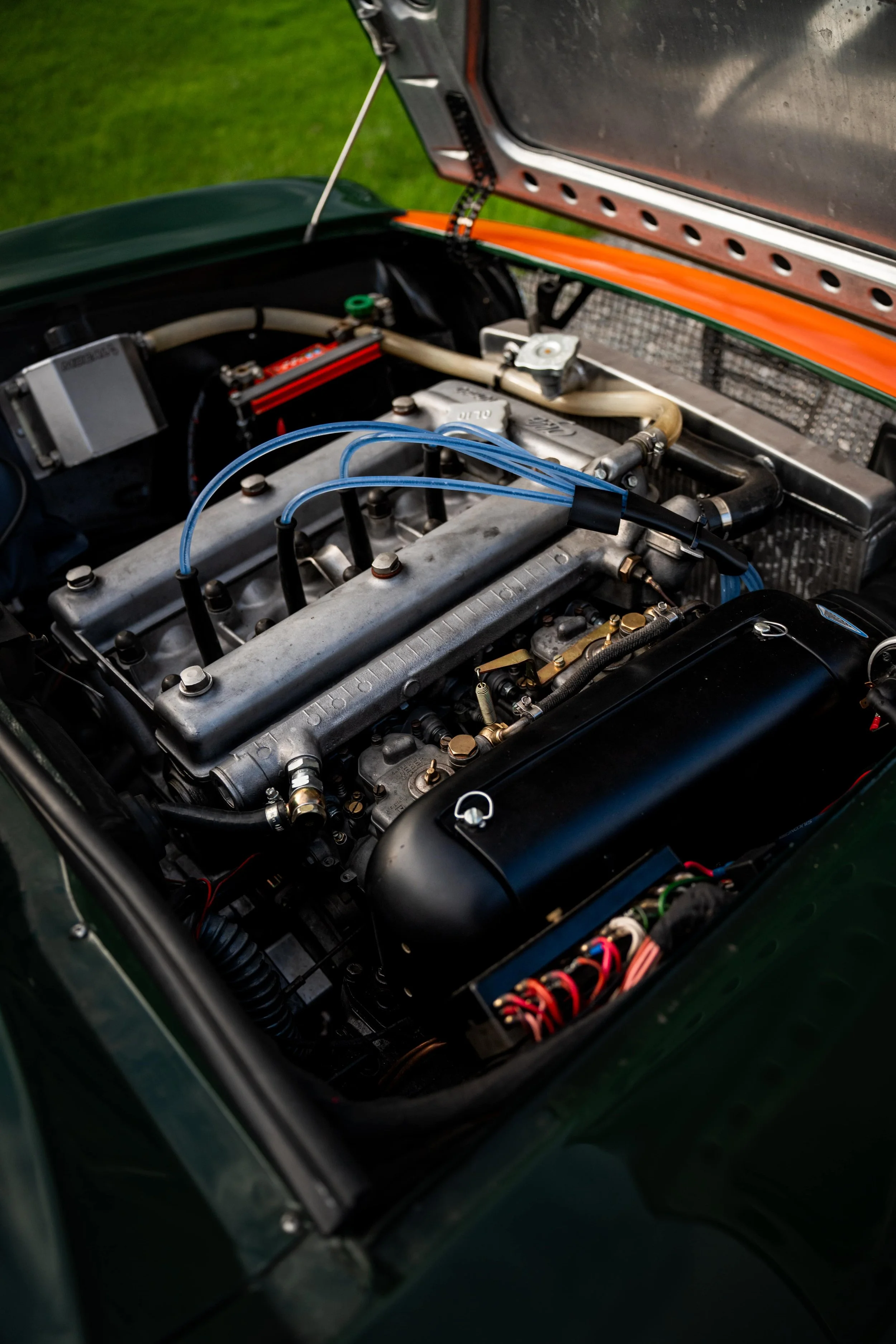
As well as rebuilding the rear axle, we also balanced the Alfa Romeo’s carburettors. Although the GT Juniors’ dual carburettors are brilliant for responsiveness, they must be balanced precisely. Balancing involves making sure each carburettor is drawing the same amount of air/fuel mixture, synchronising throttle linkages, and setting the float levels and mixture screws so each cylinder bank is matched. The unbalanced carburettors were causing engine roughness, poor throttle response and uneven power delivery. Along with balancing the carburettors on our state-of-the-art rolling road, we also adjusted the ignition timing and idle mixture to further improve the GT Juniors’ smoothness and driveability.
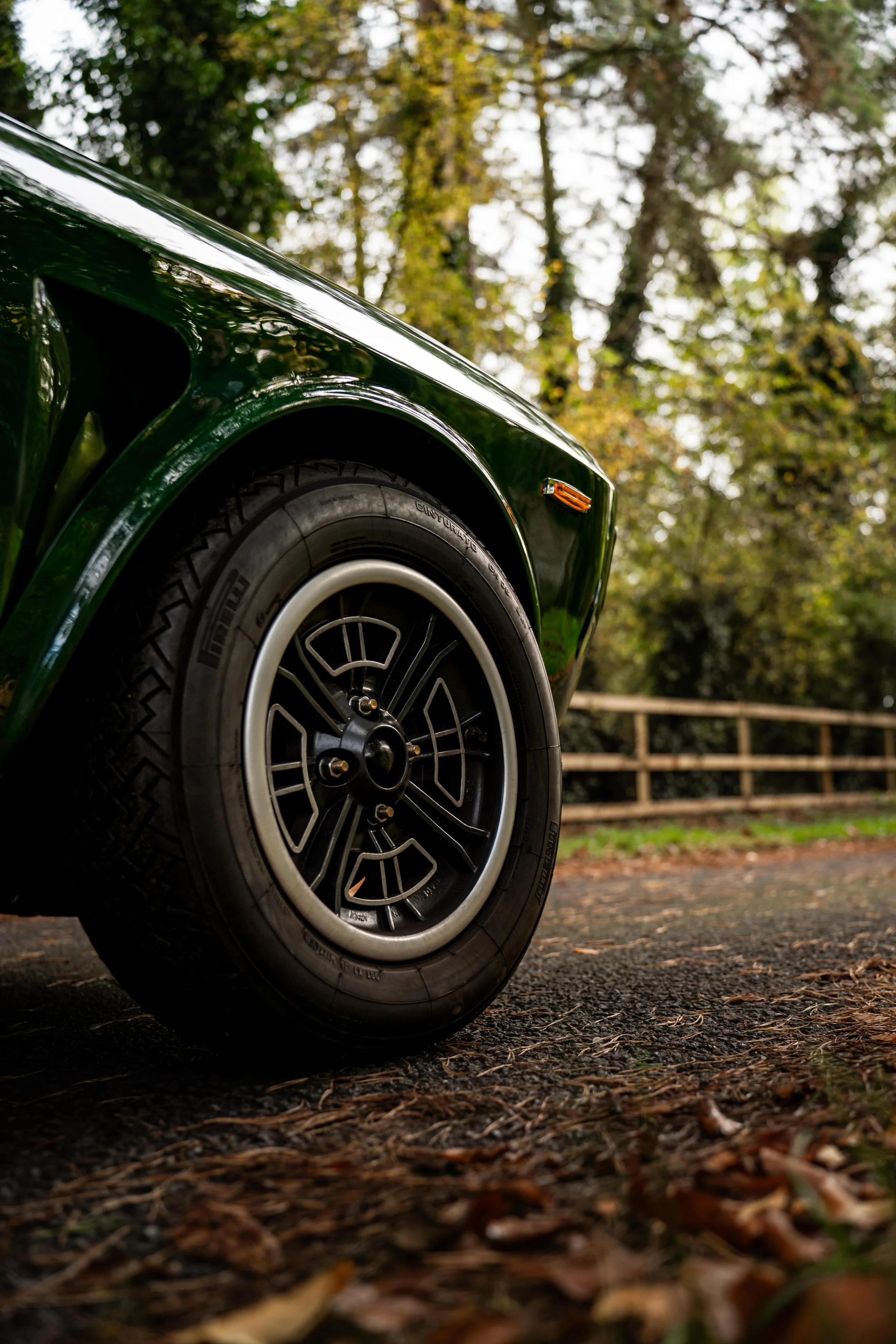
Another area of this GT Junior we worked on was the suspension. This process involves replacing shocks and springs with more modern or adjustable units to improve compliance. Along with renewing bushings, joints, and anti-roll components to remove slack and improve steering feel and checking the alignment of the camber/caster/toe settings, these greatly affect handling and ride comfort.
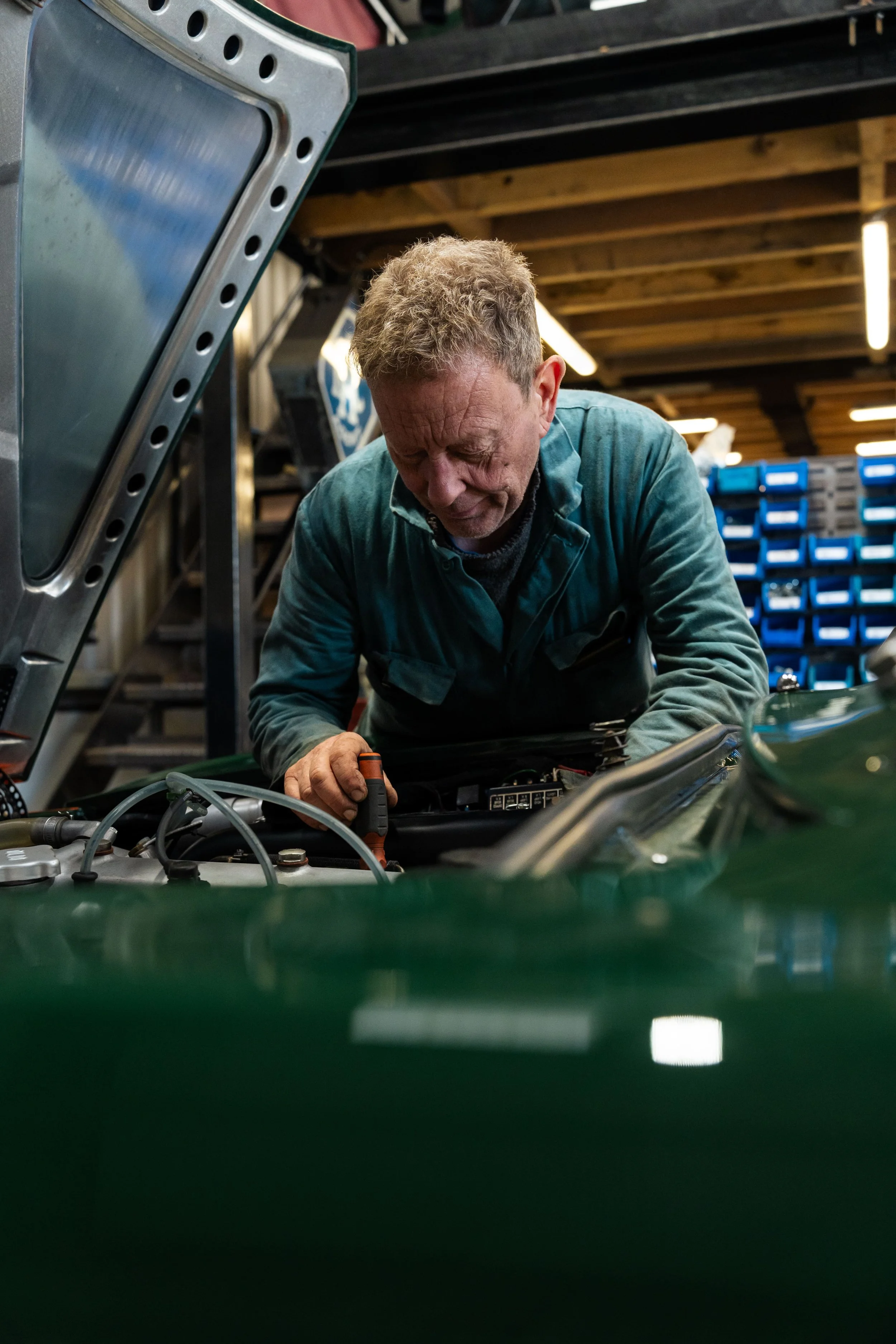
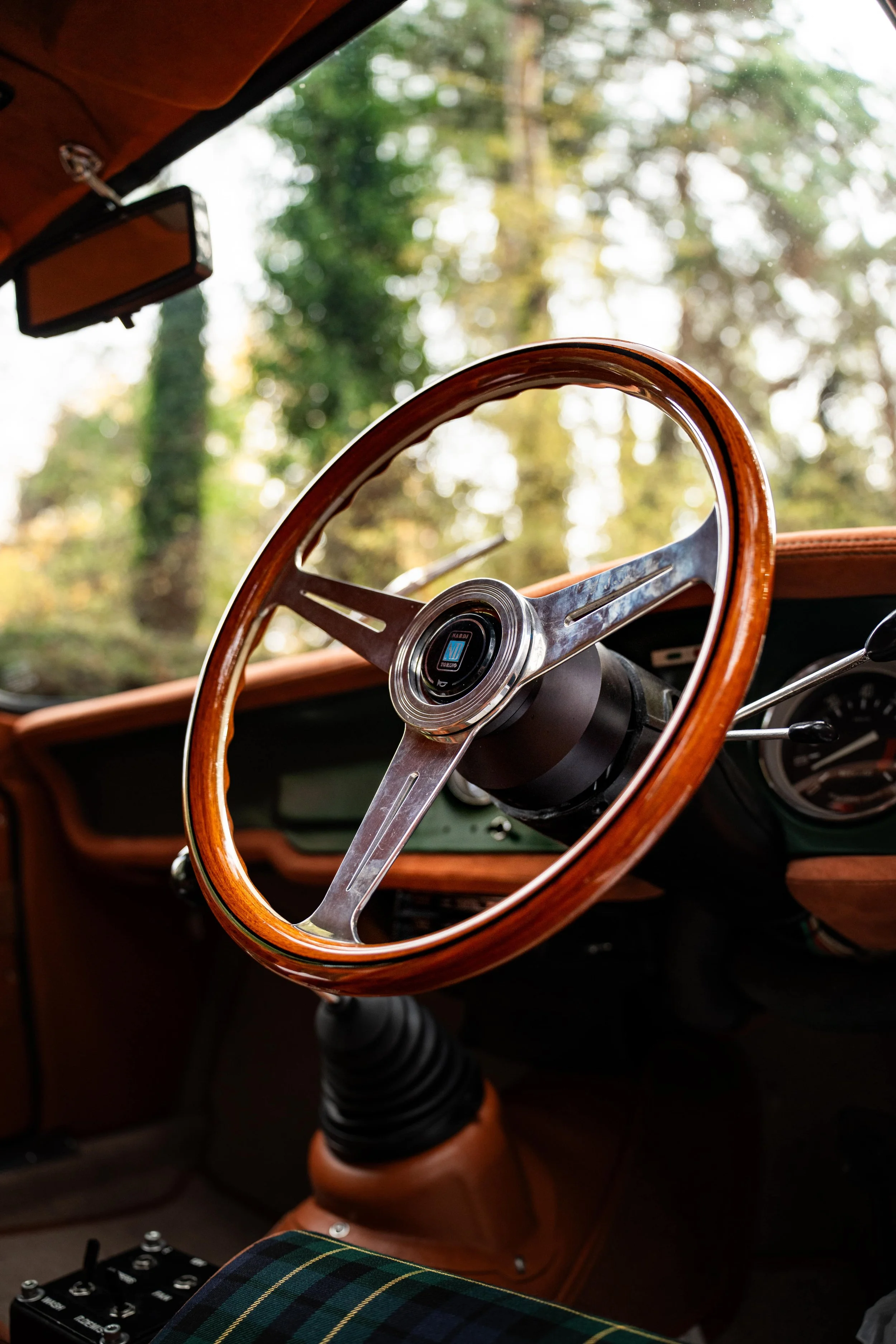
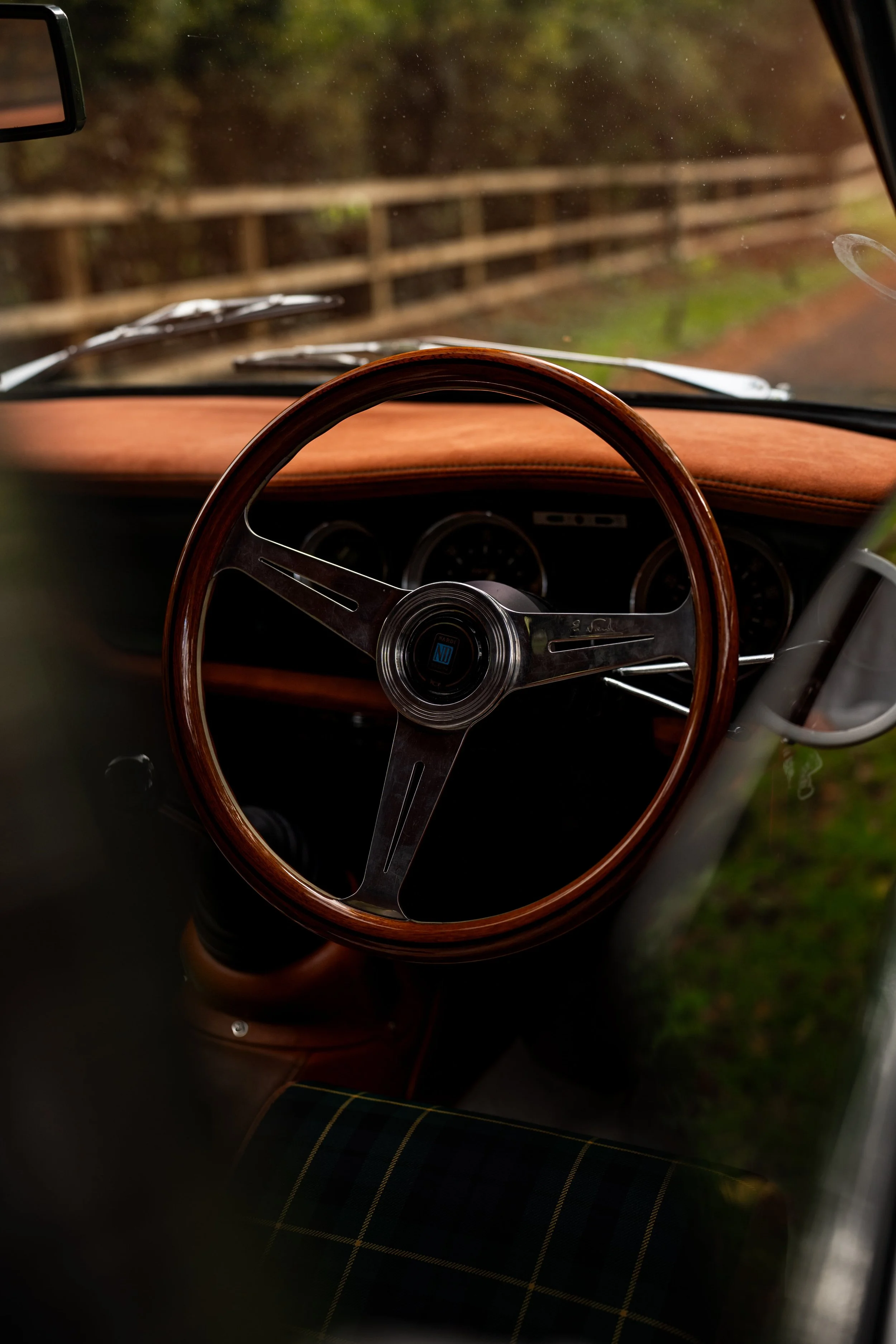
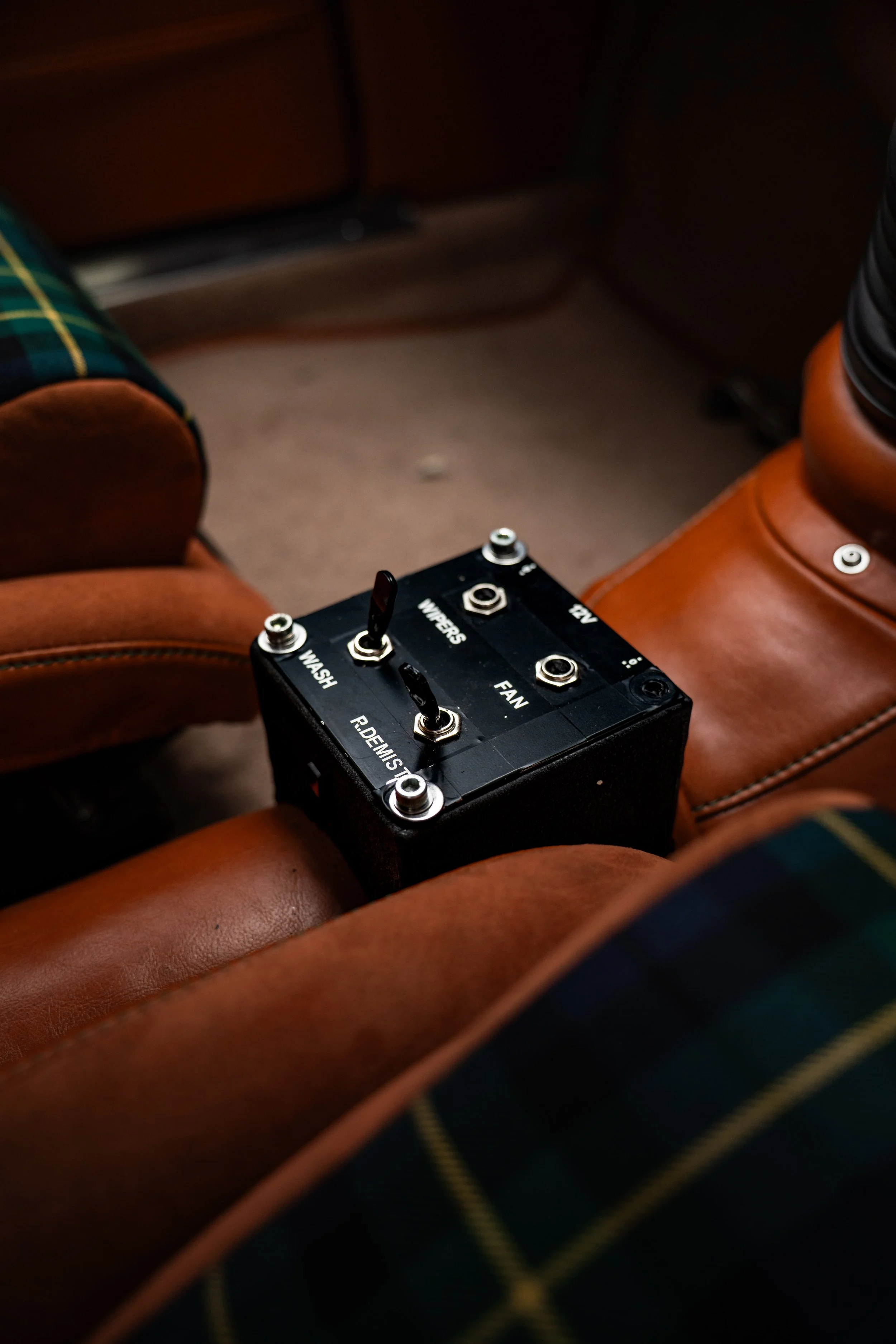
Additionally, we completed work on the electrical system and gauges for this Alfa Romeo restomod, checking for corroded connectors, faulty grounding, ageing gauges with poor readings and faulty lighting or dashboard instruments. We tidied up the engine bay by rewiring problem areas, ensuring good earth, replacing perished connectors, and calibrating gauges so the driver gets accurate information.
It was a pleasure completing the servicing of this restomod for our client by helping them restore this Alfa Romeo GT Junior, whilst retaining its original character. Our client was also kept well informed throughout the process; we provided photos and written updates about the work we carried out through our Global Workshop. If you are interested in getting your classic Italian car booked in for any of our services, please get in contact with us on 0115 9262266 or email us at info@alficina.com.