
A Ferrari Icon in the Workshop: Restoring a 250 GTO
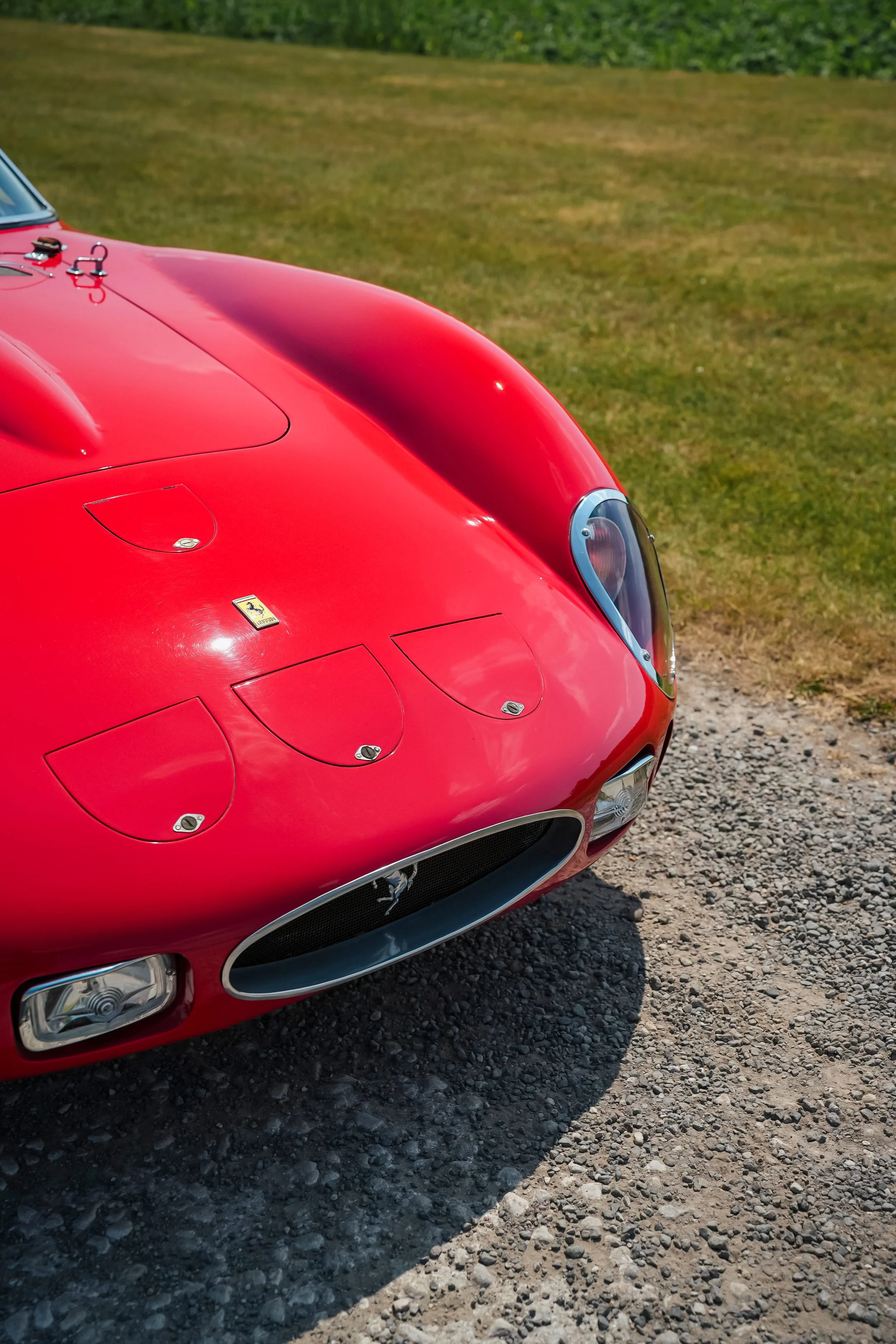
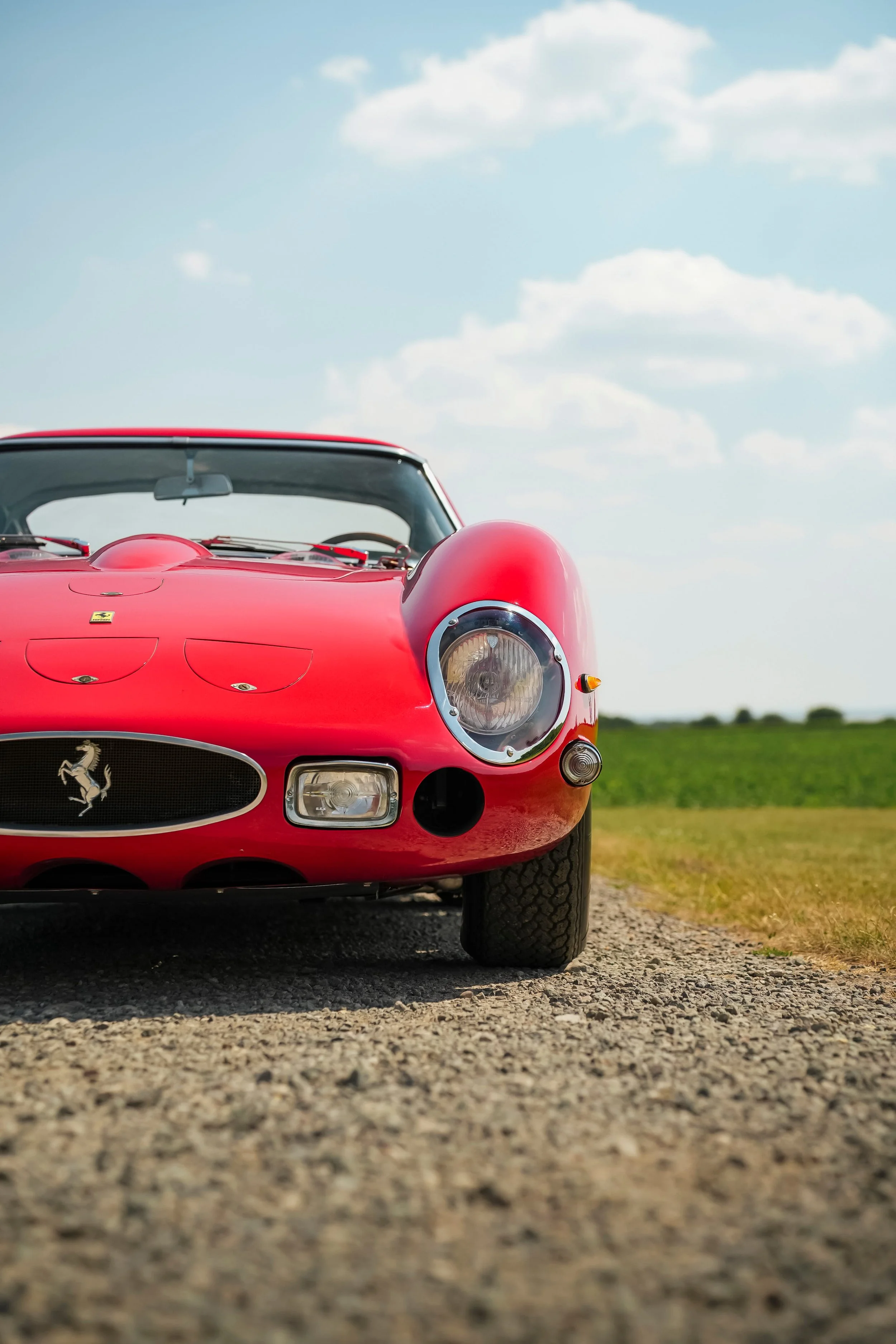
The legendary Ferrari 250 GTO was introduced in 1962 and was developed as Ferrari’s competition GT car; however, although it was built for competition, it could still be driven on the road. This 250 GTO is one of only 36 original examples ever produced; this extremely limited production is a major reason the classic car is so significant today. Each of these Ferraris was hand-built, meaning that individual examples aren't necessarily identical. Ferrari notes that aluminium panels were shaped by hand over wooden forms, so subtle differences could exist between cars. This Ferrari is in our workshops for bodywork, a repaint, electrical work, and tuning and adjustments to the fuel system to ensure the GTO runs at its best. Having spent approximately 30 years out of use, this Ferrari 250 GTO requires specialist attention to bring it back to the condition expected of such an iconic car. Find out more about our work on this magnificent Ferrari 250 GTO.
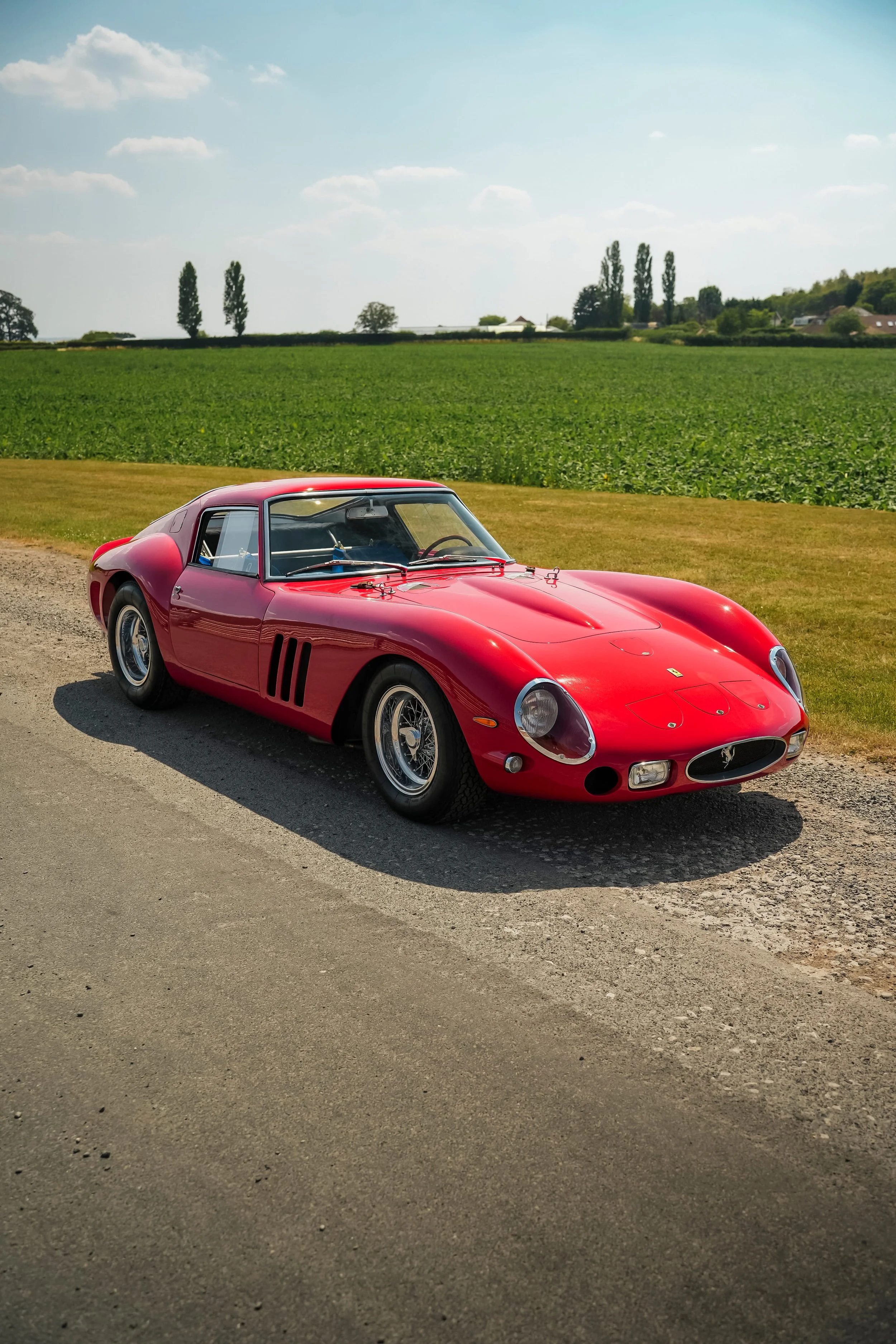
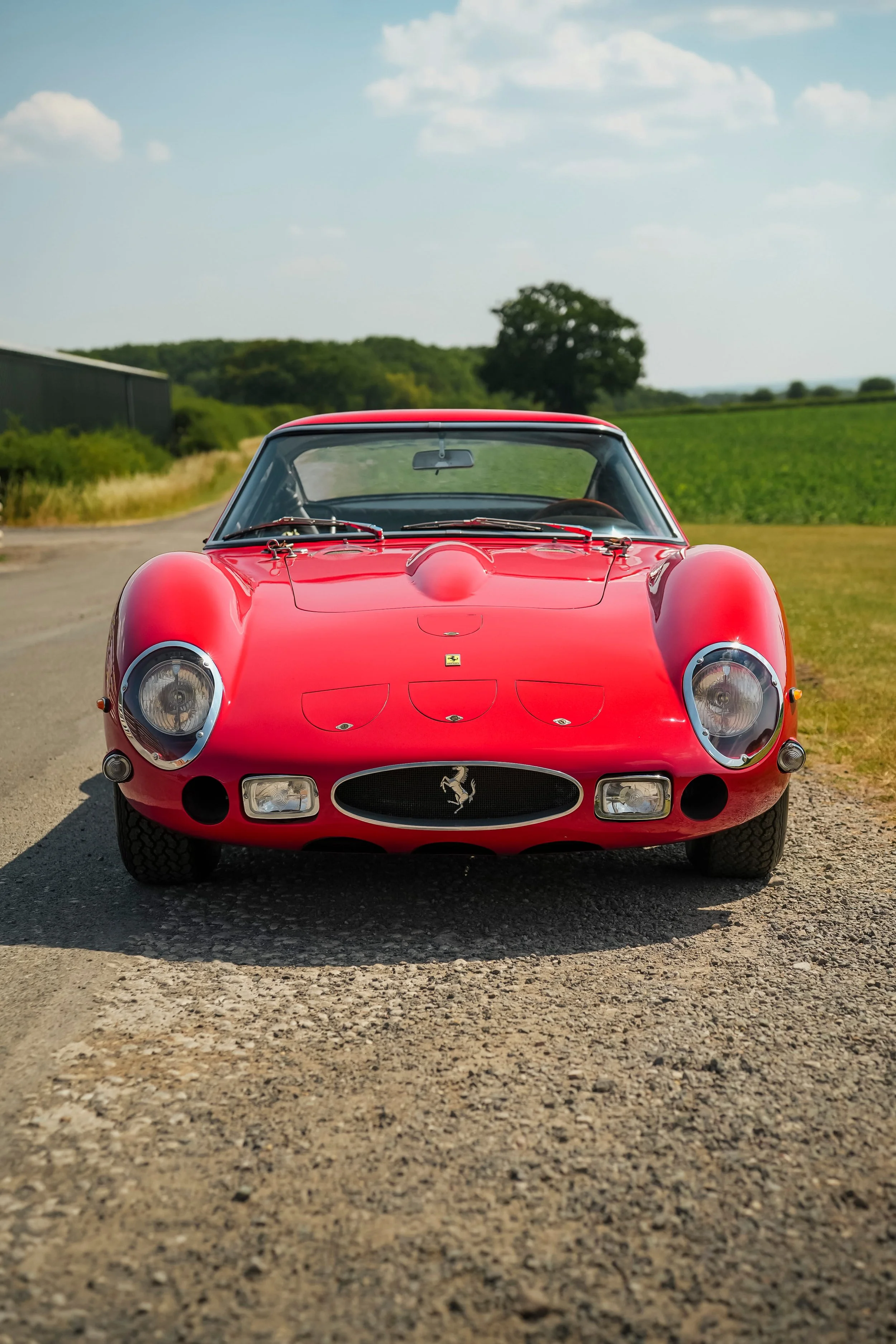
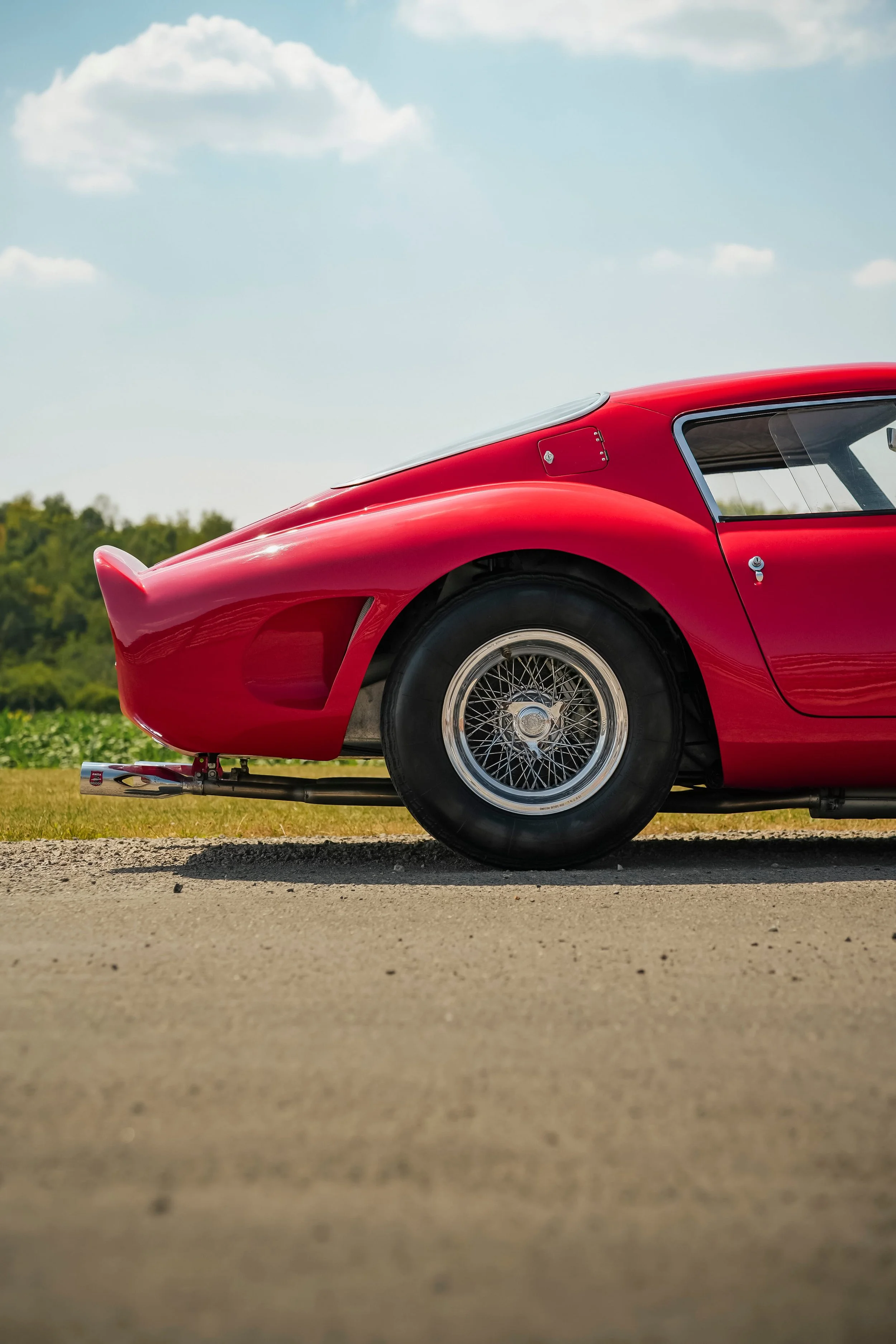
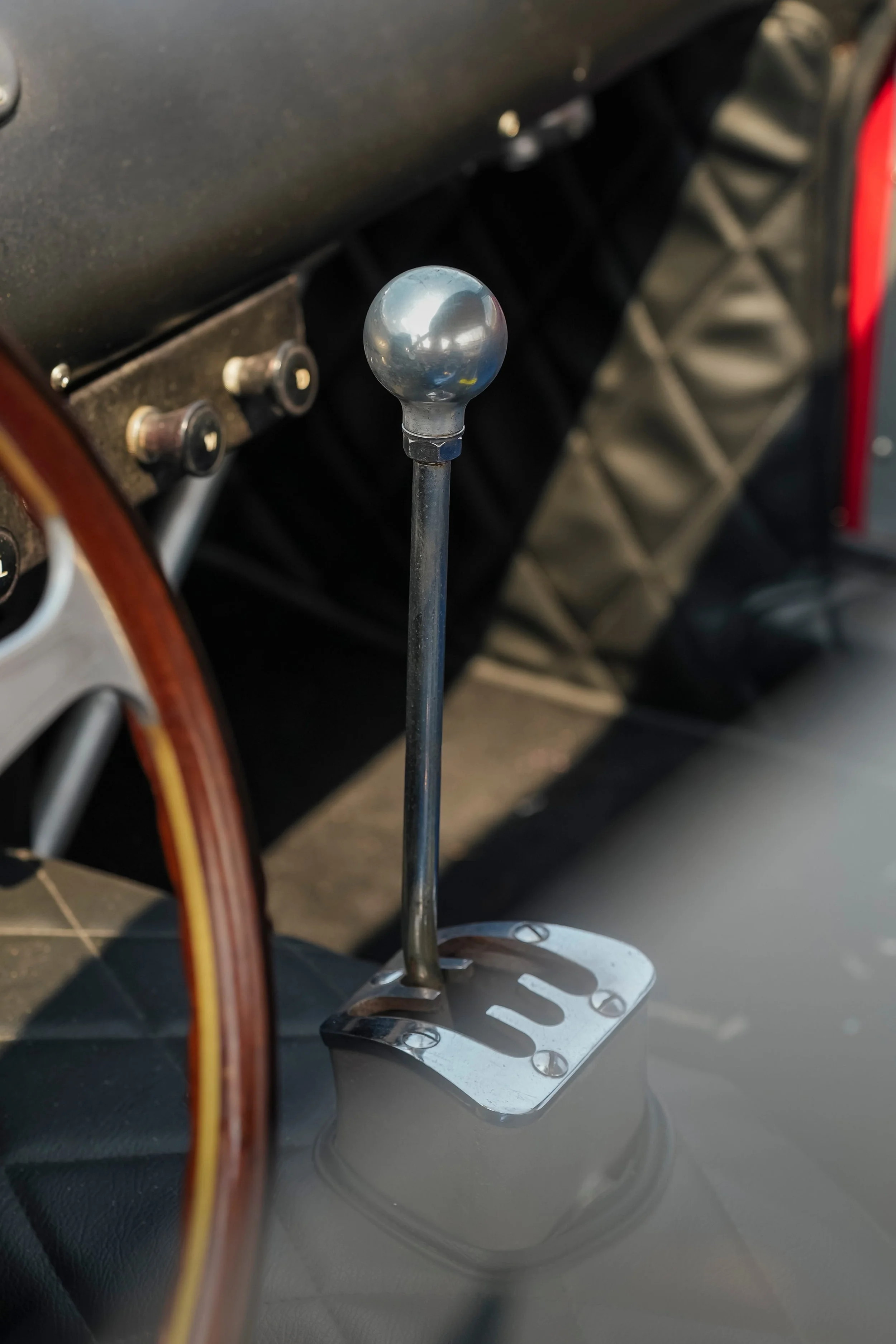
The 250 GTO uses Ferrari's famous 3.0-litre Colombo V12 engine, producing around 300hp at 7,400 rpm and can reach a top speed of 174mph. It has six Weber 38 DCN carburettors, a five-speed manual gearbox, a dry-sump lubrication oil system and a tubular steel chassis. Additionally, it has four-wheel disc brakes, an independent front suspension and a live rear axle. The 250 GTO wasn't designed simply as a beautiful road-going Ferrari. It was developed specifically to compete. It competed in the International Championship for GT Manufacturers, winning the championship for Ferrari in 1962, 1963 and 1964. It also became famous in events such as the Tour de France Automobile, 12 Hours of Sebring, Nürburgring, Le Mans and many other European road races.
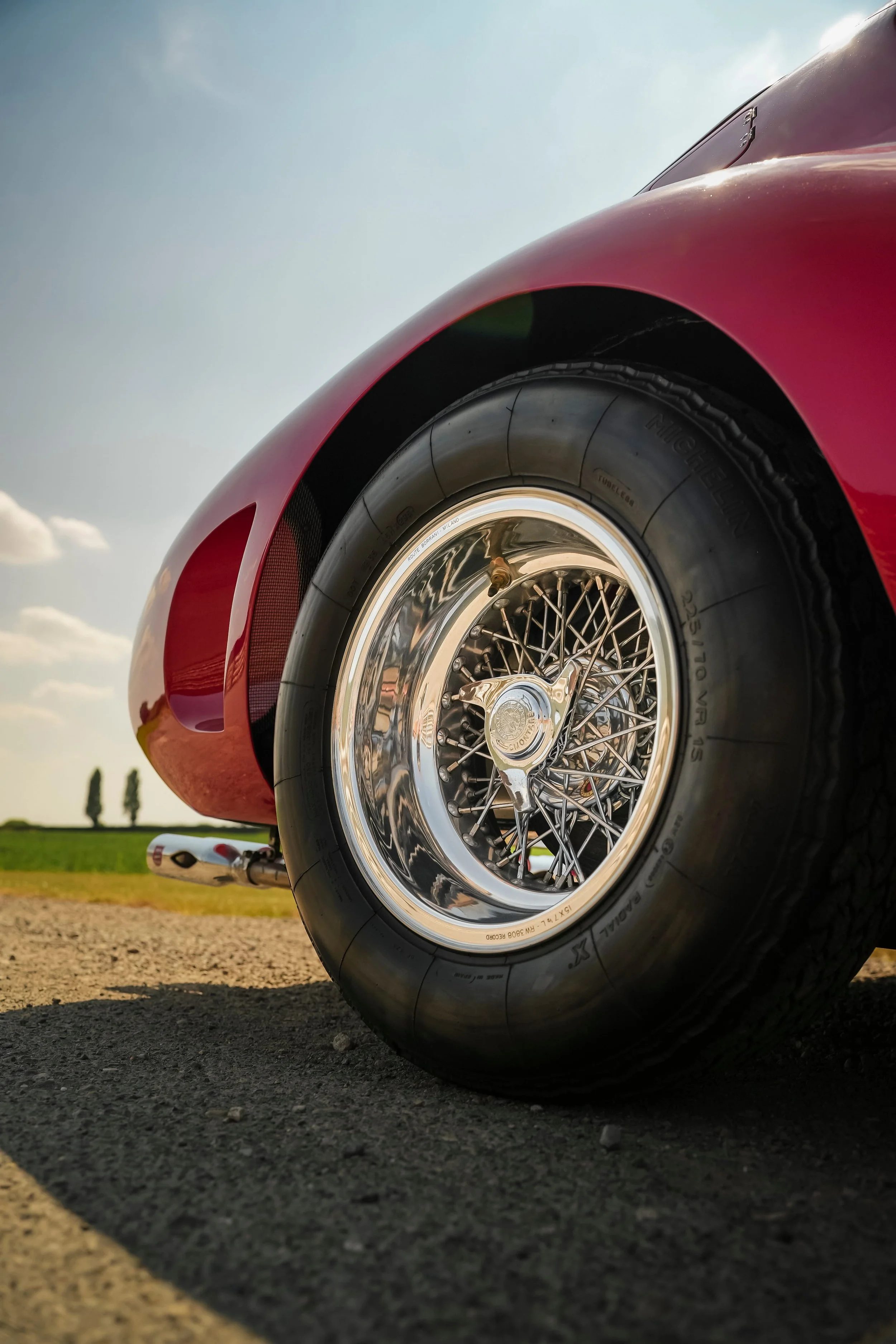
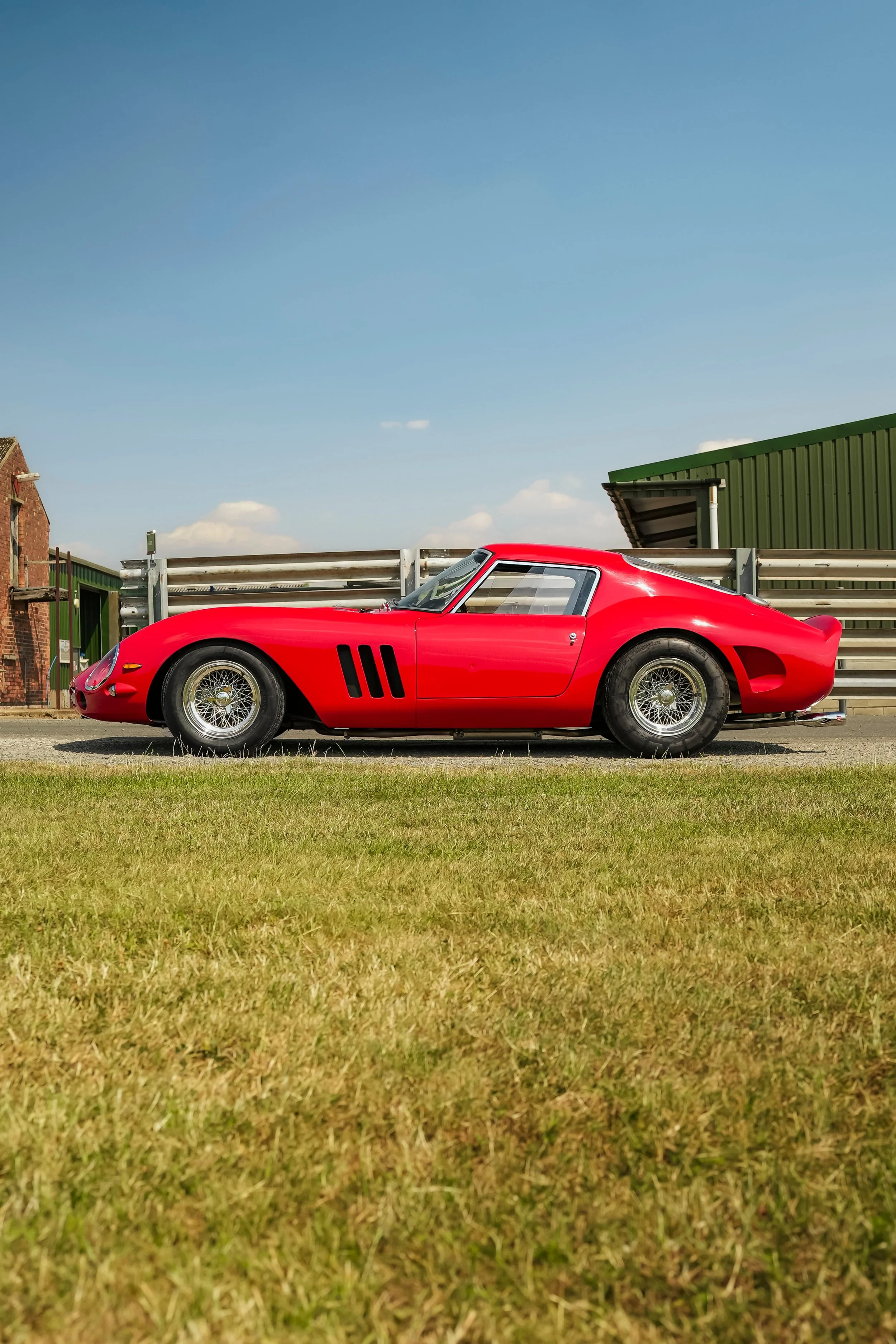
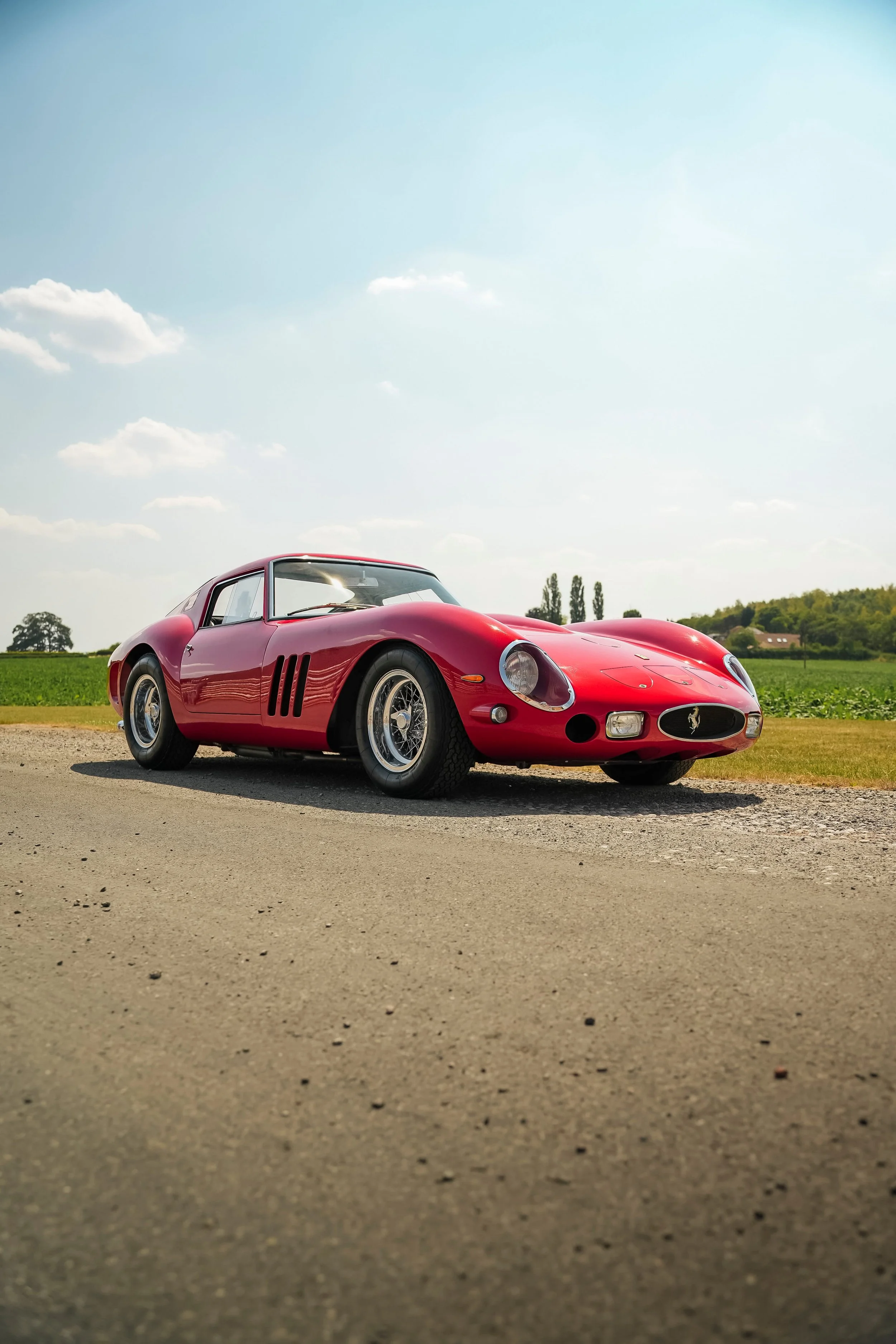
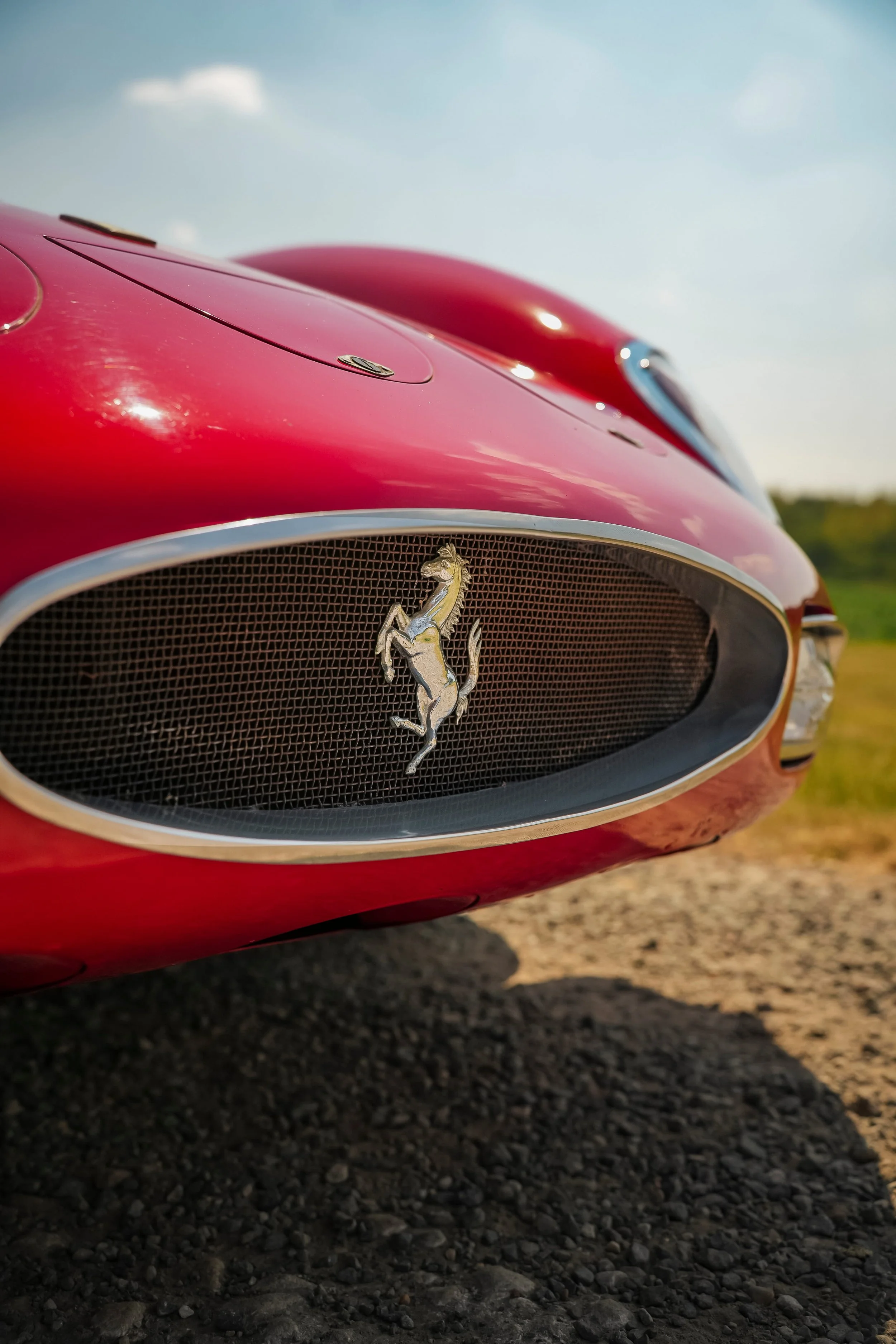
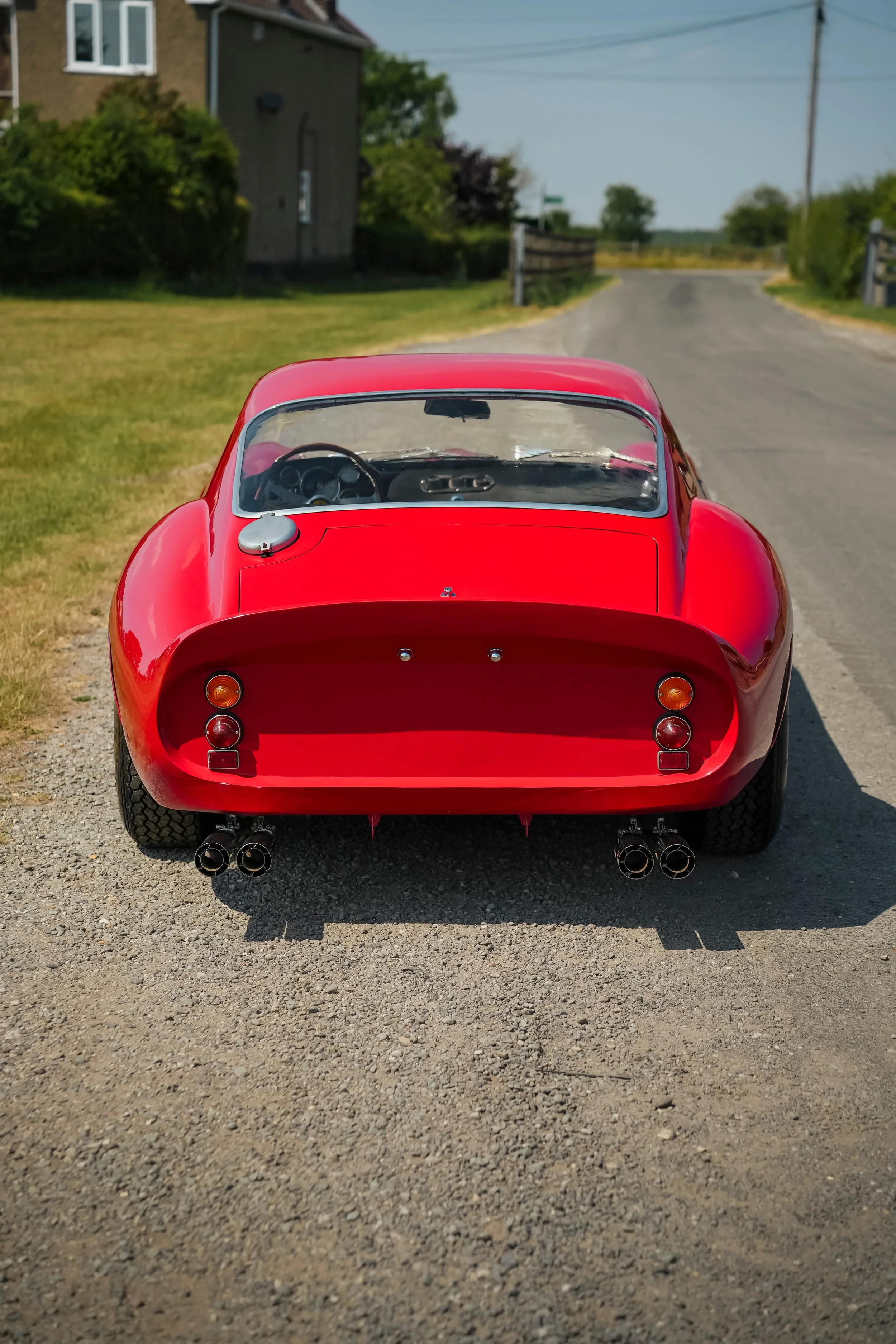
The body is one of the most recognisable aspects of the 250 GTO, but it's also one of the areas where originality and craftsmanship are particularly important. It was constructed using hand-formed aluminium body panels, with the body shaped over wooden bucks rather than being produced using modern mass-production techniques. Requiring the attention of our specialist panel beaters, the project involves assessing the existing paintwork, identifying any imperfections or previous repairs, checking the condition and alignment of the body panels and carrying out any necessary bodywork before going to paint. In addition, this involves maintaining the correct shape and character of the original body, preparing the surface carefully before refinishing, ensuring the panel gaps and shut lines remain correct and applying the new finish without compromising the historic character of the car. With a car as rare as the Ferrari 250 GTO, every aspect of the bodywork requires careful consideration. The aim is not simply to achieve a flawless finish but to preserve the character, craftsmanship and authenticity of an important piece of automotive history.
Another key area of our work is the fuel system. The factory 250 GTO uses six Weber 38 DCN carburettors to feed its 3.0-litre V12 engine, making the setup considerably more involved than that of a modern fuel-injected car. Our technicians are carefully checking the fuel delivery and mixture, inspecting the carburettors and ensuring all six are correctly balanced and synchronised. Throttle operation and fuel delivery throughout the engine’s operating range are also assessed, with any hesitation, uneven running or poor response investigated. With six carburettors working together, even small adjustments can have a significant effect on the way the V12 performs, making accurate setup essential for smooth and consistent running.
Accurate engine tuning is equally important in ensuring the V12 performs as it should, retaining the character and responsiveness that made the 250 GTO such a formidable competition car. As the Ferrari 250 GTO was designed to operate at high engine speeds, precise tuning is particularly important, with far less margin for error when the engine is working under increased load. Our technicians are assessing key areas including idle quality, throttle response, ignition timing, engine temperature and oil pressure, alongside the overall smoothness of the engine, starting behaviour, performance under load and consistency throughout the rev range. This helps ensure the V12 delivers strong, reliable performance across its operating range while maintaining the characteristics for which this competition-bred Ferrari was designed.
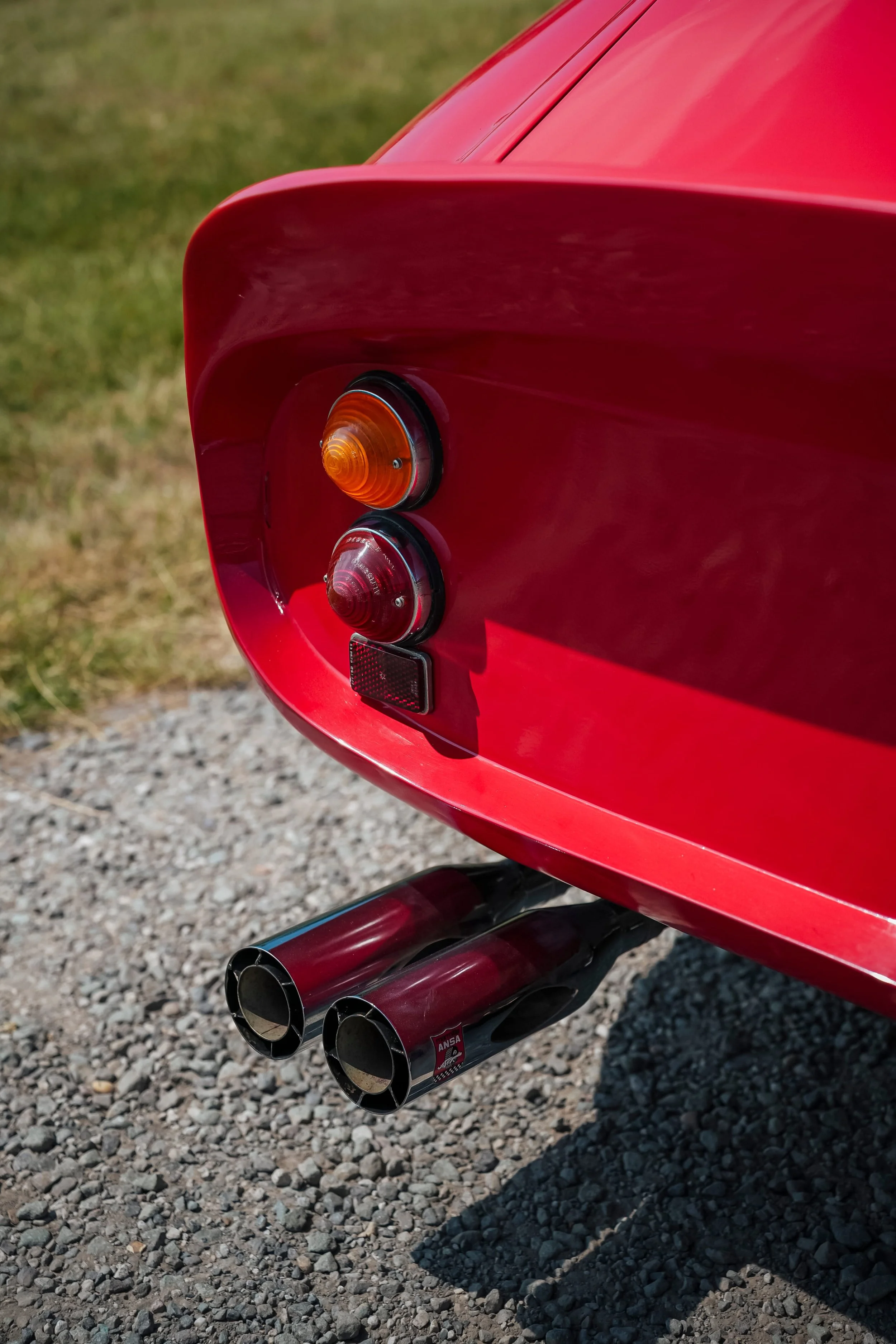
Along with the engine tuning, the exhaust was modified to match the original specification because the previous sound level was too quiet. The exhaust system plays an important role in the character of a classic Ferrari, influencing both its sound and the way the engine's exhaust gases are discharged. The 250 GTO's naturally aspirated V12 is a defining part of the car's identity, and its exhaust note is an important element of the driving experience. The modification was intended to bring the exhaust back in line with the original specification, addressing the fact that the car sounded much quieter than what was expected. This was done with the aim of preserving the character of the Ferrari rather than simply making the exhaust louder.
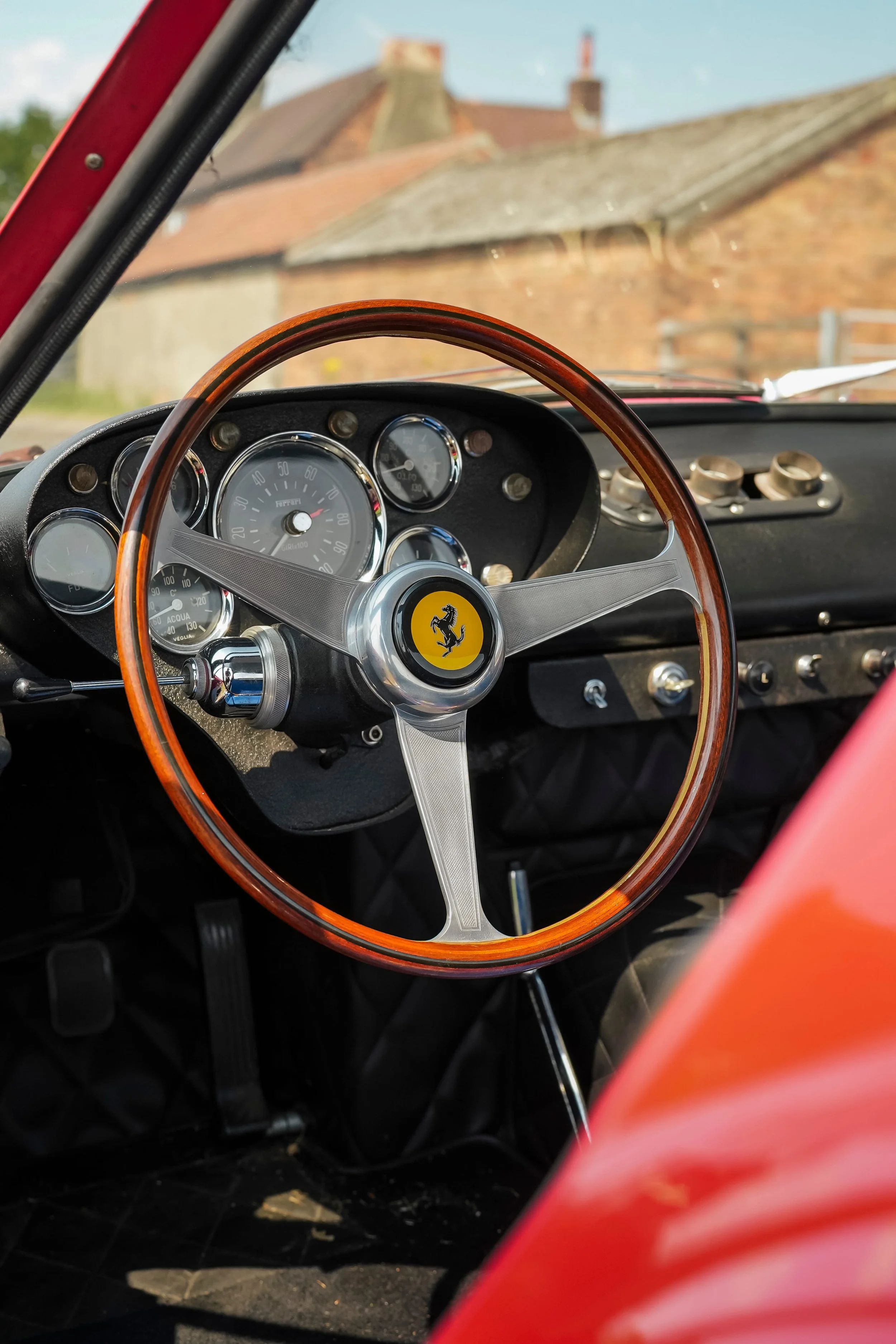
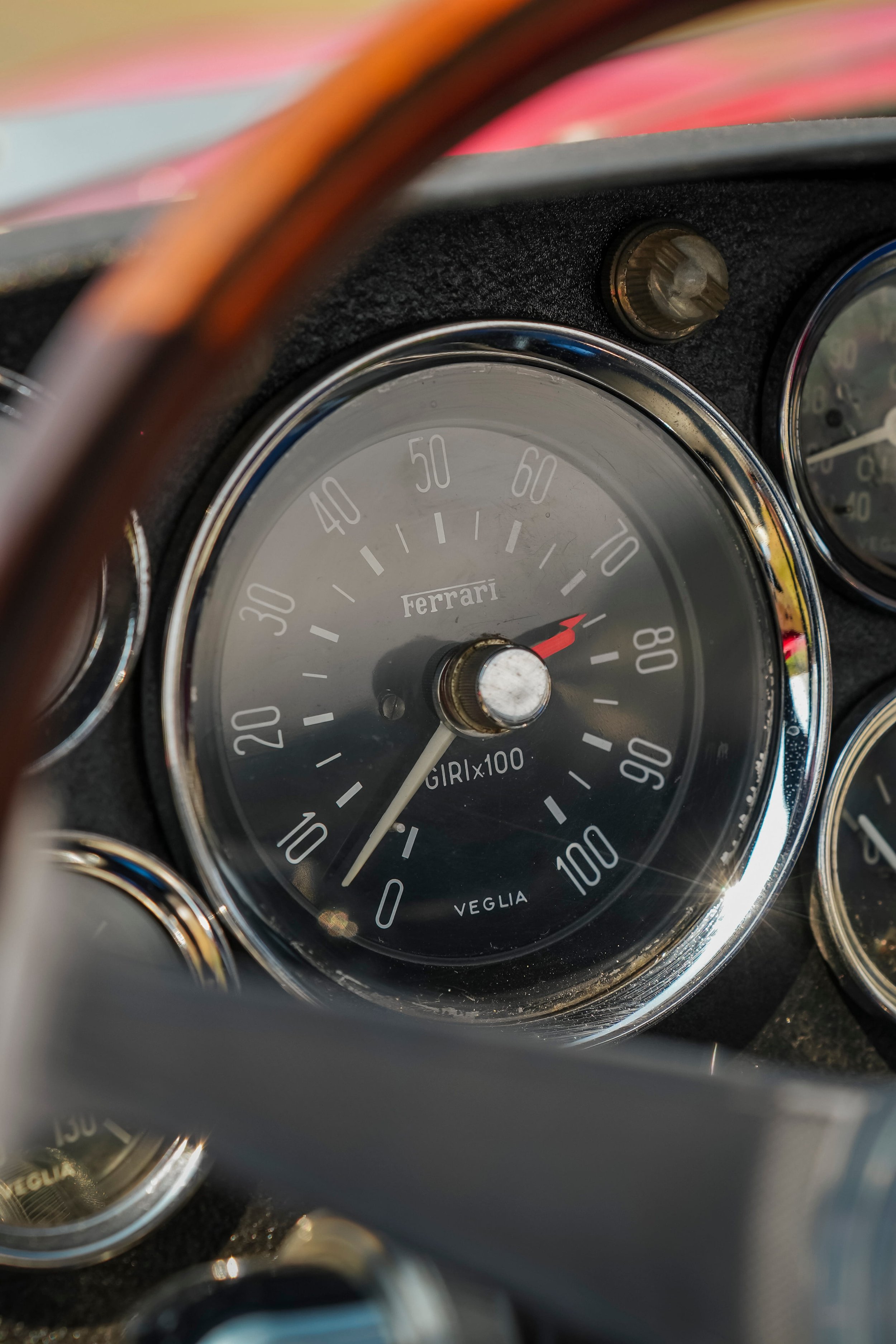
In addition to the cosmetic and running improvements, we are addressing some electrical issues to ensure the Ferrari’s original systems are operating reliably and consistently. The team will be checking the wiring, connections, switches, instruments, lighting, charging system, starting system and electrical reliability.Another area we work on is the brake system. After decades of being out of use, the braking system requires careful attention before the car can be returned to the road. We serviced the brakes to help ensure the system operates correctly and provides the stopping performance it requires.

Additionally, the driveshaft seals were replaced because oil was leaking. As the seals age, they can harden, wear or lose their ability to maintain an effective seal. An oil leak can lead to reduced lubricant levels if left unaddressed, potentially affecting the lubrication and longevity of the relevant components. Replacing the leaking seals helps restore the integrity of the system and prevent further oil loss.
The 250 GTO occupies an extraordinary position in the collector-car world, with a 1962 example selling for $55.45 million at Mecum Kissimmee in January 2026. With this in mind, we are incredibly proud to have been entrusted with such a significant piece of Ferrari history. We were delighted to bring this exceptionally rare, competition-bred machine back to its best, combining our specialist knowledge and attention to detail to ensure it continues to perform as it was intended.
If you are looking for specialist servicing, maintenance or restoration work for your Ferrari GTO, please don't hesitate to get in touch with our team. Call us on 0115 926 2266 or email us at info@alficina.com.